

Understanding the DeWalt Pilot Drill Bit
What is a DeWalt Pilot Drill Bit?
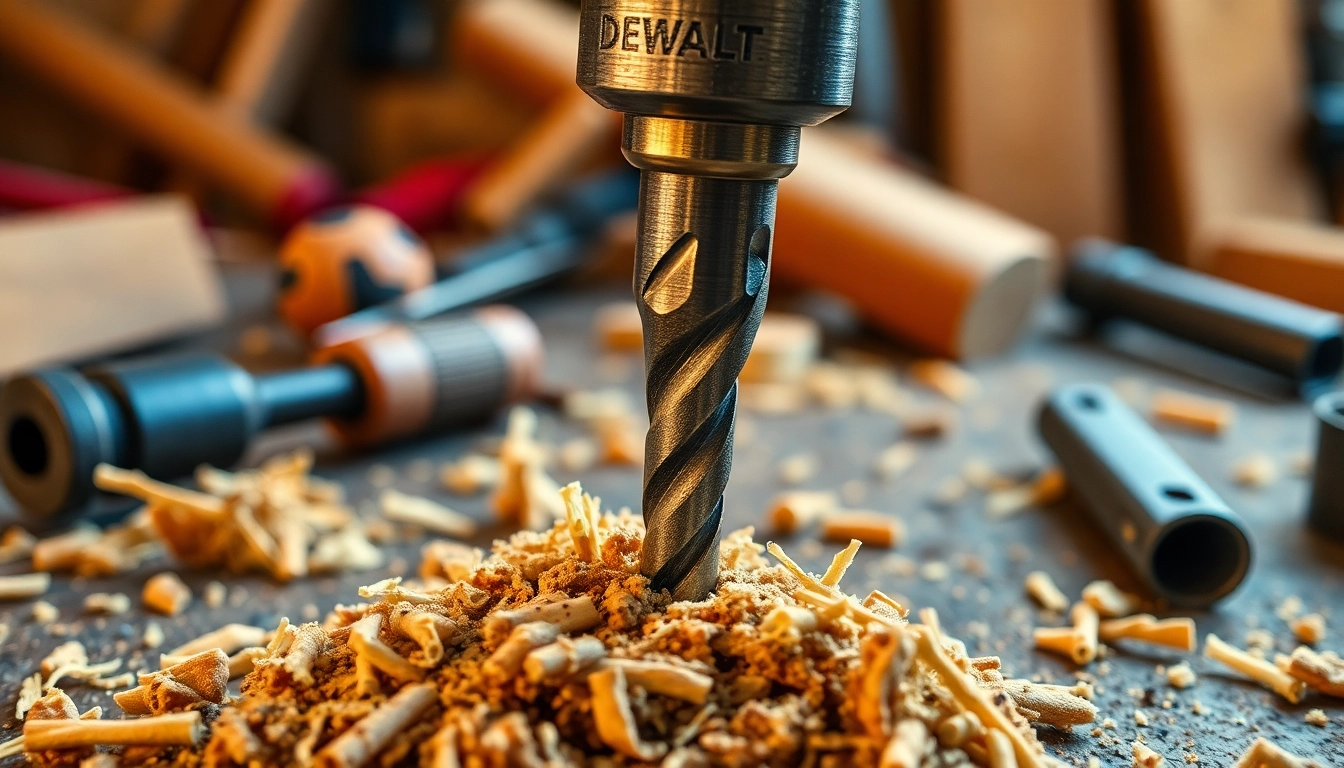
A DeWalt pilot drill bit is an essential tool for both DIY enthusiasts and professional contractors alike. Known for its precision and durability, this drill bit is specifically designed to create a small initial hole—also known as a pilot hole—in materials like wood, metal, and plastic. By guiding larger drill bits through the material, a pilot drill bit minimizes the risk of splitting the substrate and enhances the accuracy of drilling large holes. The DeWalt brand is recognized for its commitment to quality, innovation, and performance, making its pilot drill bits a trusted choice for various applications.
Key Features of DeWalt Pilot Drill Bit
DeWalt pilot drill bits are characterized by several key features that enhance their functionality:
- High-Speed Steel (HSS) Construction: Many DeWalt pilot drill bits are made from high-speed steel, which provides excellent wear resistance and maintains its sharp edge longer than standard steel.
- Precision Ground Tip: The tips of DeWalt pilot drill bits are engineered to start on contact, ensuring clean entry into the material and reducing walking.
- Varied Lengths: Available in several lengths, these bits can accommodate different project requirements ranging from thin materials to deeper drilling applications.
- Compatible with Various Drill Types: DeWalt’s pilot drill bits are designed to work seamlessly with standard drills as well as impact drivers, adding versatility to your tool collection.
- CNC Precision Manufacturing: The advanced manufacturing processes used in creating these drill bits ensure consistent quality, leading to outstanding performance.
Applications of DeWalt Pilot Drill Bit
The versatility of DeWalt pilot drill bits makes them suitable for a wide range of applications:
- Woodworking: Essential for creating pilot holes before inserting screws, reducing the likelihood of wood splitting.
- Metal Fabrication: Ideal for drilling starter holes in various metals, including aluminum and thin steel.
- Plastic Work: Useful for making clean holes in plastic substrates without cracking or deforming the material.
- Construction Projects: Perfect for pre-drilling in framing applications, ensuring accuracy when fastening components together.
- Crafting and DIY Projects: A favorite among hobbyists for projects requiring precise drilling and assembly.
Choosing the Right DeWalt Pilot Drill Bit
Factors to Consider When Selecting
When selecting a DeWalt pilot drill bit, several factors must be considered to ensure you choose the right tool for your project:
- Material: Determine the material you will be drilling into. DeWalt offers bits formulated specifically for different materials, including wood and metal.
- Diameter: Choose a bit size appropriate for the screw or component you intend to use. The diameter of the pilot hole should typically match the core diameter of the screw for optimal grip.
- Length: Consider the thickness of the material being drilled to select a bit length that will provide sufficient depth for your pilot hole.
- Bit Type: Depending on your project, consider whether you need a standard pilot drill bit or a specialized type, such as a brad point for woodworking.
Common Sizes of DeWalt Pilot Drill Bit
DeWalt pilot drill bits come in various sizes to accommodate a wide range of project requirements. Common sizes include:
- 1/8 inch
- 3/16 inch
- 1/4 inch
- 5/16 inch
- 3/8 inch
- 1/2 inch
The size you select will depend on your application, the material, and the fasteners used. Always check compatibility with your hardware before making a selection.
Material Compatibility for DeWalt Pilot Drill Bit
Not all pilot drill bits are created equal; material compatibility is crucial for achieving desired results. DeWalt pilot drill bits are designed to handle a variety of substrates:
- Wood: Ideal for softwoods and hardwoods, providing smooth entry and minimal splintering.
- Metal: Suitable for drilling pilot holes in industrial-grade materials, including aluminum and steel.
- Plastic: Crafted to prevent melting or cracking when drilling into different types of plastics.
Using a bit designed for a specific material enhances drilling efficiency and prolongs tool life.
Using DeWalt Pilot Drill Bit Effectively
Best Practices for Drilling
To maximize the performance and lifespan of your DeWalt pilot drill bit, follow these best practices:
- Use the Right Speed: Set your drill to the appropriate speed according to the material. Slower speeds are often better for metal, while faster speeds work well for wood.
- Apply Steady Pressure: Apply consistent and moderate pressure while drilling to ensure clean holes without overwhelming the bit.
- Drill a Test Hole: When drilling into a new material, start with a test hole to gauge the drill bit’s performance and adjust settings as needed.
- Use Lubricants for Metal: When drilling into metal, consider using cutting oil to reduce friction and heat buildup.
Maintenance Tips for Longevity
Proper maintenance is crucial for extending the life of your DeWalt pilot drill bit. Here are essential tips:
- Clean Regularly: Remove debris and residue after use to prevent dulling or clogging the bit.
- Store Properly: Store bits in their original packaging or a dedicated case to prevent damage during storage.
- Sharpen When Necessary: Use a sharpening tool specifically designed for HSS bits to maintain their cutting edge.
Adjusting Techniques for Different Materials
Different materials require specific techniques for effective use of DeWalt pilot drill bits. Here are some adjustments you might consider:
- For Softwoods: Use higher speeds and light pressure to create quick, clean holes.
- For Hardwoods: Consider a slower speed with more pressure for better penetration without burning the material.
- For Metals: Use a consistent, moderate speed and apply cutting fluid if appropriate to help cool the bit.
- For Plastics: Drill at a low speed to prevent melting around the hole. Also, a brad point might be recommended for a cleaner cut.
Common Challenges with DeWalt Pilot Drill Bit
Encountering Drill Bit Jams
It’s not uncommon to experience drill bit jams while using a pilot drill bit. Factors contributing to this include:
- Excessive pressure during drilling
- Drilling at inappropriate speeds
- Drilling through hard or dense materials without proper preparation
To prevent jams, maintain a steady and moderate drilling pace, adjust your pressure based on material type, and ensure your bit is properly positioned before starting.
Dealing with Overheating Issues
Overheating can significantly reduce the lifespan of your DeWalt pilot drill bit. Common causes include:
- Extended drilling without breaks
- Incorrect drilling speed for the material
- Insufficient lubrication when drilling metal
To combat overheating, take regular breaks, adjust your drill speed, and employ cutting oils when necessary to maintain an optimal temperature during operation.
Preventing Accessory Breakage
Accessory breakage, such as snapping or bending of the pilot drill bit, can lead to project delays and safety hazards. Preventive measures include:
- Using the correct drill bit for the material’s thickness
- Avoiding excessive force during drilling
- Storing bits correctly when not in use to prevent damage
Always inspect your drill bit before use to ensure it’s in good condition and capable of handling the task at hand.
Frequently Asked Questions about DeWalt Pilot Drill Bit
How long does a DeWalt Pilot Drill Bit last?
The lifespan of a DeWalt pilot drill bit depends on several factors, including the material being drilled, the frequency of use, and how well the bit is maintained. With proper handling and storage, these bits can last for numerous projects.
Can I use a DeWalt Pilot Drill Bit for metal?
Yes, certain DeWalt pilot drill bits are specifically designed for drilling into metal. Ensure you select a bit that suits the type and thickness of the metal you’re working with.
What sizes do DeWalt Pilot Drill Bit come in?
DeWalt pilot drill bits come in a variety of sizes, typically ranging from 1/8 inch to 1/2 inch. Choosing the right size is essential for ensuring the appropriate pilot hole diameter for your project.
How do I maintain my DeWalt Pilot Drill Bit?
To maintain your DeWalt pilot drill bit, clean it after each use, store it in a safe, dry location, and consider sharpening it if it begins to dull. Regular maintenance will prolong its life and ensure optimal performance.
Are DeWalt Pilot Drill Bit worth the investment?
Absolutely. DeWalt pilot drill bits are known for their quality and performance. Investing in high-quality bits can save you time and money in the long run by reducing the need for replacements and ensuring better drilling accuracy.
In summary, understanding and effectively using a DeWalt pilot drill bit can greatly enhance your drilling tasks. Whether you are a professional contractor or a DIY hobbyist, incorporating these bits into your toolbox will ensure you achieve precise and accurate results in your projects. Be sure to utilize the best practices for selection, maintenance, and application to maximize their performance and lifespan. This investment will undoubtedly yield significant returns in your crafting and building endeavors. For more tools and equipment tailored for your needs, explore the offerings at Mister Worker.