
Understanding Thermal Cameras in Electrical Inspection
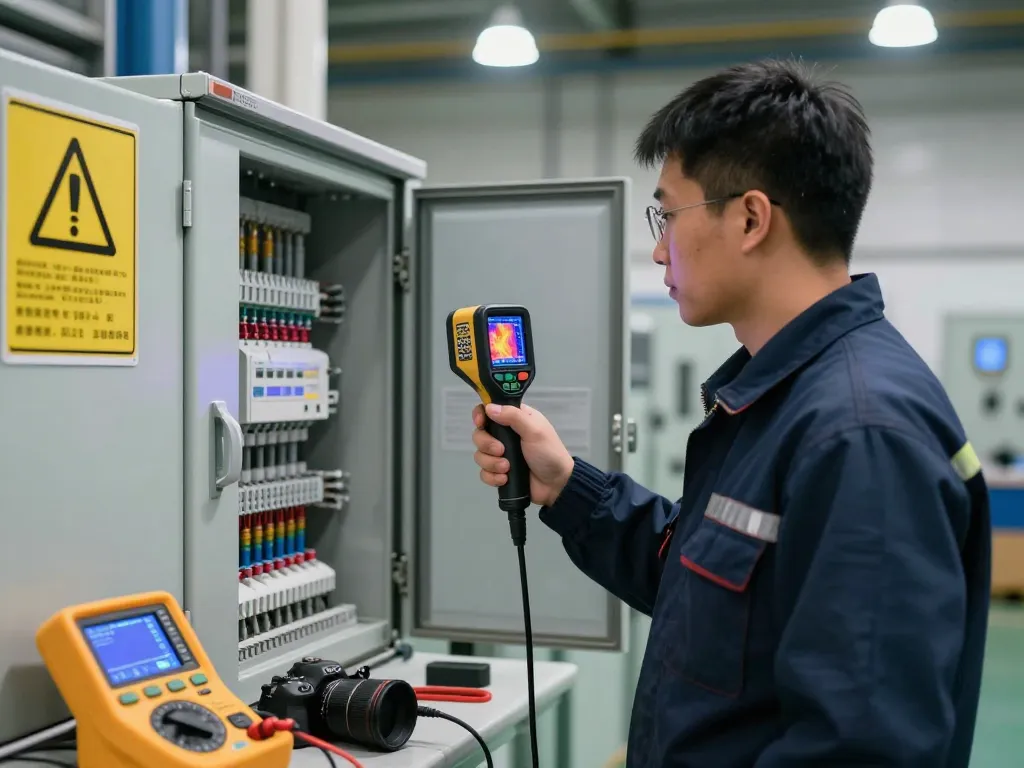
Thermal cameras have revolutionized the way professionals conduct electrical inspections, providing a window into the often hidden world of thermal anomalies. The use of using thermal cameras for electrical inspection allows technicians to identify issues before they escalate into serious problems, ensuring safety and efficiency in various environments.
What Are Thermal Cameras and Their Applications?
Thermal cameras are specialized imaging devices that detect infrared radiation, which is invisible to the naked eye. This technology enables the creation of thermograms—images that illustrate temperature variations across surfaces. These tools are pivotal in numerous applications, including electrical inspections, where they help identify hot spots, faulty connections, and component failures.
In electrical systems, thermal cameras can spot abnormally high temperatures that may indicate resistance or wear. For example, connections that are too hot could signify impending failure, allowing for preventive measures before outages or safety hazards occur. By facilitating non-contact inspection, thermal cameras enhance operational safety and reduce downtime, making them indispensable in modern electrical maintenance.
Key Features of Thermal Cameras for Electrical Inspections
When selecting a thermal camera for electrical inspections, several key features should be prioritized:
- Thermal Sensitivity: A camera’s ability to detect minor temperature differences is crucial for identifying potential faults. Higher sensitivity (measured in millikelvin) improves diagnostic capabilities.
- Image Resolution: Cameras with higher pixel counts provide clearer images, allowing for better analysis. For instance, a resolution of 240×240 pixels, such as that found in the HANMATEK® Ti240, is often sufficient for detailed electrical inspections.
- Real-Time Temperature Data: Many modern thermal cameras offer the ability to track maximum, minimum, and average temperatures in real-time, enhancing the speed and accuracy of inspections.
- Durability: Given the environments in which they are used, thermal cameras should be rugged, with features such as IP54 ratings for dust and water resistance.
How Thermal Imaging Enhances Safety and Efficiency
Employing thermal imaging technology significantly enhances both safety and efficiency in electrical inspections. By detecting issues early, technicians can avoid catastrophic failures that could lead to outages or even fires. This proactive approach not only saves time and money but also ensures compliance with safety standards and regulations.
Furthermore, thermal imaging allows for inspections without interrupting service, which is particularly valuable in settings such as industrial plants and commercial facilities. This minimizes downtime and maintains productivity during maintenance activities.
Critical Components of Thermal Cameras
Infrared Sensors and Their Role in Detecting Heat
Infrared sensors are the heart of thermal cameras, converting infrared radiation into electrical signals that form thermal images. The quality and precision of these sensors directly impact the camera’s ability to detect and differentiate temperature variations. For high-stakes environments like electrical inspections, employing cameras with high-performance sensors is non-negotiable.
Image Resolution: Why It Matters for Electrical Diagnostics
Image resolution plays a vital role in effective diagnostics. A higher resolution camera can deliver clearer images even at greater distances, allowing for better identification of thermal anomalies. In the case of the HANMATEK® Ti240, its 240×240 pixel resolution provides a balanced approach, offering sufficient detail for most electrical inspections while remaining cost-effective.
Battery Life and Durability in Industrial Environments
For professionals conducting lengthy inspections, battery life is a crucial consideration. The HANMATEK® Ti240 boasts a rechargeable lithium battery that offers up to 9 hours of operation, making it suitable for extensive fieldwork. Durability, characterized by an IP54 rating and drop protection, ensures that the device can withstand the rigors of industrial environments, thereby extending its lifespan and maintaining performance.
Best Practices for Conducting Thermal Inspections
Preparing Equipment and Personnel for Inspections
Preparation is key to conducting effective thermal inspections. Ensure that both the equipment and personnel are well-prepared by following a systematic approach:
- Equipment Check: Verify that the thermal camera is fully charged and calibrated before use. Confirm that all necessary accessories, such as SD cards and cables, are available.
- Training: Proper training ensures that personnel can interpret thermograms accurately. Investing in training sessions can greatly enhance diagnostic capabilities.
- Safety Gear: Inspectors should wear appropriate safety gear, especially when working in potentially hazardous environments.
Strategies for Identifying Hot Spots and Anomalies
Identifying hot spots is crucial during inspections. Here are strategies to follow:
- Scan Methodically: Move the camera slowly and methodically across the area, allowing the sensor to capture detailed images without missing potential issues.
- Compare Temperatures: Use known baseline temperatures to compare and analyze any anomalies found during inspections.
- Utilize Color Palettes: Adjust thermal color palettes to enhance visibility and contrast in the images. This can make hot spots more distinct and easier to identify.
Documenting Findings Effectively with Thermal Imaging
Effective documentation is integral to the inspection process. Use the following methods to ensure thorough reporting:
- Screenshot Critical Images: Capture and save critical thermograms that clearly illustrate issues found during inspections.
- Include Temperature Data: Record maximum, minimum, and average temperature readings alongside thermograms to provide context for your findings.
- Create Detailed Reports: Compile images and data into structured reports that can be easily interpreted by clients or team members.
Common Challenges in Thermal Imaging
Understanding Emissivity and Its Impact on Accuracy
Emissivity, the measure of a material’s ability to emit infrared energy, significantly influences the accuracy of thermal readings. Different materials have varying emissivity values, which can lead to incorrect temperature readings if not accounted for. Understanding how to adjust your thermal camera settings based on the materials being inspected is crucial for accurate diagnostics.
Interpreting Thermal Images: Tips for Accurate Analysis
Interpreting thermal images requires a keen eye and a solid understanding of what various temperature readings signify:
- Familiarity with Normal Baselines: Comparing thermal images against known baselines can help identify anomalies and their potential significance.
- Understanding Color Gradients: Different colors represent varying temperature ranges; understanding these gradients can aid in quickly identifying issues.
- Cross-Verification: Always corroborate thermal findings with physical inspections to confirm diagnoses.
Preventing Misdiagnosis in Electrical Systems
Misdiagnosis can lead to unnecessary repairs or overlook serious issues. Here are tips to prevent this:
- Thorough Calibration: Regularly calibrate your thermal camera to ensure accurate readings.
- Training and Experience: Ensure that personnel using thermal cameras are well-trained and experienced in interpreting data accurately.
- Use Multiple Methods: Employ thermography in conjunction with other diagnostic methods to confirm findings.
Future Trends in Thermal Imaging Technology
Innovations to Expect in 2026 and Beyond
The thermal imaging landscape is continually evolving, with several trends expected to shape the future:
- Increased Integration: Future thermal cameras will likely integrate seamlessly with other diagnostic tools for comprehensive assessments.
- Cost Reduction: As technology advances, we anticipate lower prices for high-quality thermal imaging cameras, making them accessible to a broader range of professionals.
- Enhanced User Interfaces: Future models may feature more intuitive interfaces, improving usability for technicians across different skill levels.
The Role of AI and Machine Learning in Thermal Imaging
Artificial intelligence and machine learning are set to transform the way thermal imaging is used across industries. These technologies can enhance image processing, automate anomaly detection, and improve predictive maintenance, providing greater efficiency and accuracy in inspections.
Emerging Applications in Electrical Safety and Maintenance
Beyond traditional applications, emerging uses for thermal cameras in electrical safety include:
- Predictive Maintenance: Utilizing thermal imagery to forecast potential equipment failures allows companies to act before breakdowns occur.
- Automated Systems: Integration with automated monitoring systems that continuously analyze thermal data can provide real-time insights into electrical health.
- Enhanced Reporting: Advances in software will improve the ability to visualize and report findings, making results clearer for non-technical stakeholders.
FAQs
How do thermal cameras work in electrical inspections?
Thermal cameras work by detecting infrared radiation emitted by objects. The resulting thermal images display varying temperatures, allowing inspectors to identify hot spots and assess the condition of electrical systems.
What should I look for when purchasing a thermal camera?
Key factors include image resolution, thermal sensitivity, battery life, and durability. Additionally, ensure the camera has features suitable for your specific inspection needs.
How often should thermal inspections be conducted?
It is generally recommended to perform thermal inspections at least annually, but high-use environments may benefit from more frequent inspections to catch issues early.
Can thermal cameras detect all electrical issues?
While thermal cameras are excellent for identifying overheating components, they cannot detect all electrical problems. They should be used in conjunction with other diagnostic methods for complete assessments.
What training is recommended for using thermal cameras effectively?
Training should cover equipment operation, thermogram interpretation, and safety procedures. Practical experience is essential for developing skills in identifying and diagnosing electrical issues.