
Understanding the Importance of Form Stackers in Modern Warehousing
In the fast-paced world of modern warehousing, efficiency and safety are paramount. One piece of equipment that has become essential for optimizing operations is the form stacker. Designed to lift, transport, and store materials with ease, form stackers play a pivotal role in enhancing productivity and ensuring a safe working environment. As businesses increasingly turn to automated solutions to streamline their processes, understanding the role of form stackers is critical. When exploring options, form stacker technology provides comprehensive insights into the latest advancements in material handling.
What is a Form Stacker and Its Role?
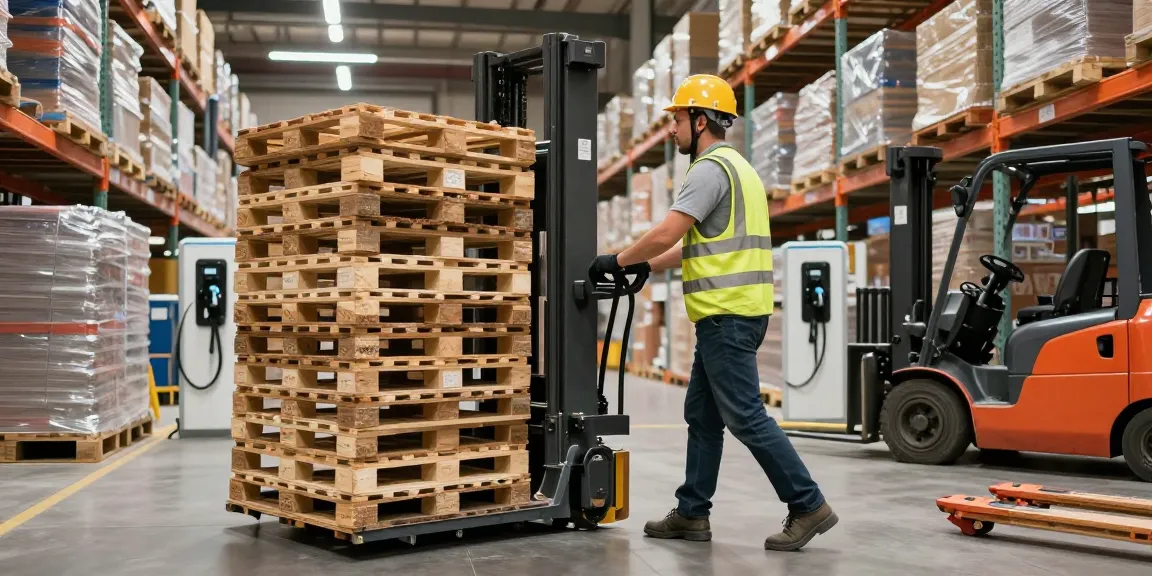
A form stacker, often referred to as an electric stacker, is a type of material handling equipment specifically designed to lift and move pallets and other materials within warehouses and distribution centers. Unlike traditional forklifts, form stackers are generally more compact, allowing them to maneuver in tight spaces. They serve several critical functions, including:
- Lifting pallets to elevated storage positions.
- Transportation of goods over short distances.
- Stacking products efficiently to maximize vertical space.
With the rising demand for electric equipment, form stackers offer a zero-emission solution that aligns with sustainable practices in modern warehousing. Their versatility makes them suitable for various industries, from retail to manufacturing.
Benefits of Using Electric Form Stackers
Electric form stackers provide numerous advantages that contribute to enhanced operational efficiency:
- Eco-Friendly Operation: With zero-emission electric power, these stackers minimize the carbon footprint of warehouse operations.
- Cost-Efficiency: Reduced fuel and maintenance costs compared to traditional combustion-powered equipment can lead to significant savings over time.
- Enhanced Safety: Electric stackers are equipped with advanced safety features that reduce the risk of accidents, such as automatic braking systems and stability controls.
- User-Friendly Design: With intuitive controls and ergonomic designs, these stackers are easier to operate, reducing training time for new employees.
Comparing Form Stackers to Traditional Equipment
While traditional forklifts have long been the industry standard for lifting heavy materials, the rise of electric form stackers offers an alternative that is gaining traction. Key differences include:
- Size and Maneuverability: Form stackers are typically smaller and more compact than traditional forklifts, allowing for better maneuverability in tight spaces.
- Power Source: Unlike gas-powered forklifts, electric form stackers rely on batteries, making them quieter and more environmentally friendly.
- Operational Cost: Electric stackers generally incur lower operational costs over time, leading to better long-term value.
Choosing the Right Form Stacker for Your Warehouse Needs
Selecting the appropriate form stacker for a warehouse involves evaluating various factors to ensure that the chosen equipment meets operational demands. The right choice can significantly impact productivity and safety in the workplace.
Key Considerations When Selecting a Form Stacker
When considering a form stacker, several key factors should guide your decision-making process:
- Load Capacity: Ensure that the stacker can handle the weight of your products.
- Lifting Height: Choose a stacker that can reach the required height for your storage facilities.
- Battery Life: Consider the battery capacity and runtime needed for your operation to ensure optimal performance.
- Maneuverability: Assess the design of the stacker to ensure it can navigate your warehouse layout effectively.
Evaluating Lifting Capacities and Dimensions
Different operations require different lifting capabilities. Form stackers come in various load capacities, typically ranging from 3300 lbs to 4400 lbs or more. When evaluating options, it’s critical to consider:
- What is the heaviest load the stacker will regularly lift?
- What heights do you need to reach? Standard options include lift heights of 10ft, 12ft, and beyond.
- Are there any unique spatial constraints in your warehouse that might affect equipment performance?
Common Mistakes to Avoid When Buying a Form Stacker
Purchasing a form stacker can be a significant investment. To ensure you make the right choice, avoid these common pitfalls:
- Not Conducting Proper Research: Failing to compare multiple options can lead to overspending or selecting inadequate equipment.
- Ignoring Safety Features: Prioritize models equipped with advanced safety protocols to ensure operator safety.
- Underestimating Training Requirements: Overlooking the necessity of operator training can result in accidents and inefficiencies.
Best Practices for Operating a Form Stacker Safely
Safety should always be a top priority when operating a form stacker. Following best practices can help prevent accidents and ensure efficient operations.
Essential Safety Protocols for Warehouse Operators
Implementing strict safety protocols is crucial for the well-being of operators and warehouse personnel. Some top safety practices include:
- Conducting regular inspections and maintenance on equipment.
- Ensuring all operators are trained and certified to use the equipment safely.
- Establishing clear communication protocols during operations, especially in high-traffic areas.
Training Requirements for Handling Form Stackers
Proper training is vital to ensuring that operators can effectively and safely handle form stackers. Training should encompass:
- Understanding the stacker’s controls and functions.
- Awareness of load limits and proper stacking techniques.
- Emergency procedures and equipment shutdown protocols.
Preventative Maintenance Tips for Longevity
To extend the lifespan of your form stacker and ensure optimal performance, regular maintenance is essential. Key maintenance tips include:
- Regularly checking battery health and replacing batteries when necessary.
- Inspecting hydraulic systems for leaks and proper operation.
- Keeping wheels and brakes in good condition for safe maneuverability.
Real-World Applications of Form Stackers
Form stackers have proven their worth across various industries, showcasing adaptability and efficiency in their applications.
Case Studies: Successful Implementation Across Industries
Numerous companies have successfully integrated form stackers into their operations:
- Retail Warehousing: A large retail chain improved its stock replenishment process, cutting down on loading times by incorporating electric form stackers into their system.
- Manufacturing: A manufacturer of automotive parts enhanced production flow by utilizing form stackers for transporting components between assembly lines.
Innovative Uses of Form Stackers in Logistics
Form stackers are also integral to logistics operations, offering innovative solutions such as:
- Automating order picking processes by integrating with warehouse management systems.
- Enhancing inventory management through real-time tracking capabilities via IoT technologies.
How Form Stackers Improve Operational Efficiency
The implementation of form stackers can lead to significant increases in efficiency within warehouses, such as:
- Reducing the time taken to move goods across the floor.
- Improving space utilization by enabling higher stacking of inventory.
- Minimizing labor costs by automating routine lifting tasks.
Future Trends in Form Stackers and Material Handling
The landscape of material handling, including form stackers, is evolving with emerging trends that are set to shape operations in the coming years.
Technological Advancements to Watch in 2026
As 2026 approaches, several technological advancements are anticipated to enhance form stacker functionality:
- Advanced Automation: Increased integration of automation in operations, including AI-driven load management.
- Telematics: The use of telematics to monitor equipment performance and optimize maintenance schedules.
The Impact of Automation on Warehouse Operations
Automation is revolutionizing warehouse operations, allowing businesses to:
- Achieve higher throughput with less manual labor.
- Implement real-time data analytics for informed decision-making.
Preparing Your Business for Emerging Trends
To stay competitive, businesses should consider taking proactive steps to adapt to these trends:
- Investing in employee training programs that focus on new technologies.
- Evaluating current equipment and upgrading to newer models that offer advanced features.
What Maintenance Should Be Considered for Form Stackers?
To ensure longevity and optimal performance, routine maintenance should include:
- Regular inspection of electrical systems and battery performance.
- Monitoring hydraulic systems and ensuring adequate fluid levels.
How to Maximize Form Stacker ROI?
Maximizing the return on investment (ROI) from form stackers involves:
- Regular training and upskilling of operators to enhance productivity.
- Implementing best practices for maintenance to prolong equipment life.
- Analyzing operational efficiency regularly to determine areas for improvement.
What Industries Benefit Most from Form Stackers?
Various industries can leverage form stackers, especially:
- Retail: For effective stock management in warehouses.
- Manufacturing: For moving parts efficiently.
- Logistics: For optimizing inventory management.
How Do Form Stackers Compare to Other Equipment?
Form stackers generally offer advantages over traditional forklifts due to their compact size and electric operation. Compared to other equipment, they are:
- More environmentally friendly.
- Cost-effective in the long term.
What New Regulations Impact Form Stacker Use?
Staying informed about new regulations is essential for compliance. Key considerations include:
- Adherence to safety regulations mandated by organizations such as OSHA.
- Compliance with environmental laws regarding emissions from equipment.
What are the Key Features of Modern Form Stackers?
When evaluating modern form stackers, look for features such as:
- Advanced safety systems including automatic shut-off.
- Increased battery life and quick charging capabilities.