
Understanding the Need for 24hr Emergency Repairs
Every homeowner knows that emergencies can strike at any moment, often leading to significant damage and disruption. Whether it’s a burst pipe in the middle of the night or an electrical failure that leaves you in the dark, the need for 24hr emergency repairs cannot be overstated. In today’s fast-paced world, having access to reliable emergency repair services is crucial for maintaining the safety, functionality, and value of your home.
What Constitutes an Emergency Repair?
Emergency repairs are characterized by their urgent nature, where immediate action is required to prevent further damage or ensure safety. Common events that necessitate emergency repairs include:
- Flooding from plumbing failures
- Electrical hazards such as exposed wires
- Heating failures during winter storms
- Severe weather damage to roofs and windows
Identifying what constitutes an emergency is vital; not every repair can wait, and understanding the distinction can save homeowners both time and money.
The Importance of Timely Responses
Timeliness in emergency repairs is critical. A delay can lead to greater damage, more expensive repairs, and can compromise the safety of your home. For example, a small leak can escalate into a major water damage issue if not addressed immediately. Many homeowners underestimate the cascading effects that a seemingly minor issue can have, especially in plumbing and electrical contexts.
User Pain Points in Home Emergencies
When emergencies occur, homeowners often experience panic and confusion. Key pain points include:
- Difficulty in locating trustworthy repair services
- Lack of immediate knowledge on how to mitigate damage
- Financial strain from unplanned repair costs
- Inconvenience and disruption to daily life
Addressing these pain points requires not only preparedness but also access to professional services that can respond swiftly and effectively.
Common Types of Emergencies Requiring Immediate Attention
Plumbing Issues and Water Damage
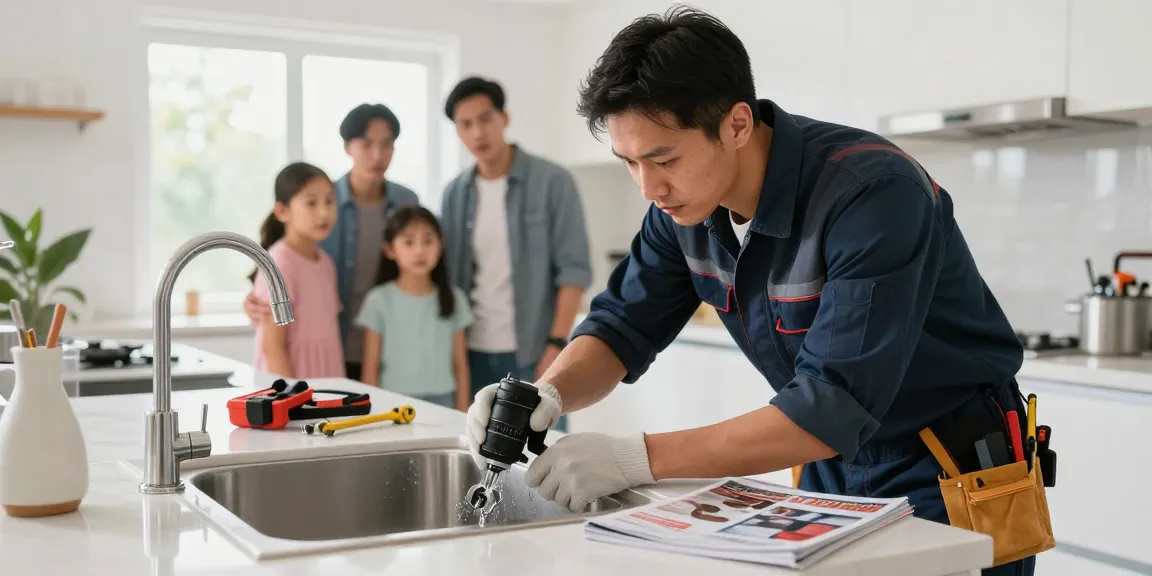
Plumbing emergencies are among the most common issues requiring immediate repair. Problems such as burst pipes, clogged drains, and sewage backups can lead to extensive water damage that may compromise the structural integrity of a home. Homeowners must be aware of the signs of plumbing problems, such as:
- Unexplained increases in water bills
- Water stains on ceilings or walls
- Unpleasant odors emanating from drains
Taking prompt action when these signs appear can save homeowners significant amounts in repair costs.
Electrical Failures and Safety Risks
Electrical failures present serious safety risks, including the potential for fires. Common electrical emergencies include:
- Power outages due to storms
- Tripped breakers or blown fuses
- Flickering lights indicating wiring issues
Homeowners should understand how to safely respond to electrical emergencies, such as turning off the main power supply and contacting a licensed electrician.
HVAC Breakdowns During Extreme Conditions
Heating, ventilation, and air conditioning (HVAC) systems are essential for indoor comfort, especially during extreme weather conditions. A breakdown can be a health hazard, as prolonged exposure to extreme temperatures can lead to serious risks. Key indicators of HVAC issues include:
- Unusual noises or vibrations from the unit
- Inconsistent temperature levels in different rooms
- Foul odors coming from the system
Regular maintenance can help mitigate the risk of emergencies, but when breakdowns occur, prompt professional intervention is necessary.
Best Practices for Handling Emergency Repairs
Creating a Robust Action Plan
Every homeowner should have an action plan in place for emergencies. This includes:
- Identifying key contact numbers for various service providers
- Having an emergency toolkit with basic repair supplies
- Creating a home inventory to assist with insurance claims
By being prepared, homeowners can respond quickly and effectively to emergencies, minimizing potential damage.
Tools and Resources for Quick Response
Utilizing technology can enhance your ability to respond to emergencies. Consider the following resources:
- Mobile apps that connect you with emergency services
- Home monitoring systems that alert you to unusual activity
- Online forums and communities for immediate advice
Leveraging these tools can provide you with rapid support and guidance during a crisis.
How to Assess Damage Effectively
After an emergency, assessing damage accurately is crucial for determining the next steps. Here are some tips:
- Document damage with photos for insurance purposes
- Check for structural integrity before entering affected areas
- Consult professionals for comprehensive damage assessments
Effective damage assessment sets the stage for timely and appropriate repairs.
Case Studies: Successful Emergency Repair Examples
Residential Plumbing Success Stories
Many homeowners have faced plumbing emergencies but managed to avert disaster through quick thinking. For example, one family discovered a burst pipe early in the morning. They swiftly shut off the water supply and called an emergency plumber, preventing significant water damage and mold growth.
Electrical Repairs That Saved Homes
In a notable case, a homeowner experienced a power surge after a storm. Recognizing the signs, they called an emergency electrician, who identified faulty wiring that could have resulted in a fire. Timely intervention not only saved their home but also their lives.
Real-World Responses to HVAC Emergencies
During an extreme heatwave, a family’s air conditioning unit failed. They contacted a 24/7 HVAC service, which dispatched a technician promptly, restoring comfort and preventing health risks associated with heat exposure.
Future Trends in Emergency Repair Services for 2026
Technological Innovations in Emergency Services
The landscape of emergency repair services is continually evolving, driven largely by technological advancements. Future trends to watch include:
- The integration of artificial intelligence for better diagnostics
- Increased use of IoT devices for real-time monitoring
- Online platforms that connect homeowners with local emergency service providers
These innovations will enhance responsiveness and efficiency in handling emergencies.
Customer Expectations and Service Evolution
As technology improves, customer expectations are also changing. Homeowners now demand:
- Faster response times
- Transparency in pricing and service details
- Comprehensive solutions from a single service provider
Meeting these expectations will be essential for service providers looking to remain competitive.
Preparing for Climate-Related Emergencies
Climate change is increasing the frequency and severity of extreme weather events, making preparation more critical than ever. Homeowners should consider:
- Investing in flood-resistant systems
- Installing surge protectors to mitigate power issues
- Regularly updating emergency plans to align with changing climate patterns
Being proactive can significantly mitigate risks posed by climate-related emergencies.
What should I do first in an emergency repair situation?
Immediately assess the situation and prioritize safety. If necessary, turn off utilities and avoid further risk while contacting emergency services.
How can I find a reliable 24hr emergency repair service?
Research local services, read reviews, and ask for recommendations from friends and family to find trustworthy professionals.
What preventative measures can reduce emergency repairs?
Regular maintenance, timely repairs, and home inspections can significantly prevent potential emergencies from developing.
Are DIY fixes advisable for emergency repairs?
While some minor issues may be fixable DIY, it’s best to call professionals for significant problems, especially concerning plumbing or electrical systems.
How do I know when to call a professional?
If the issue poses safety risks or if you are unsure about how to proceed, it is always wise to consult a professional.