

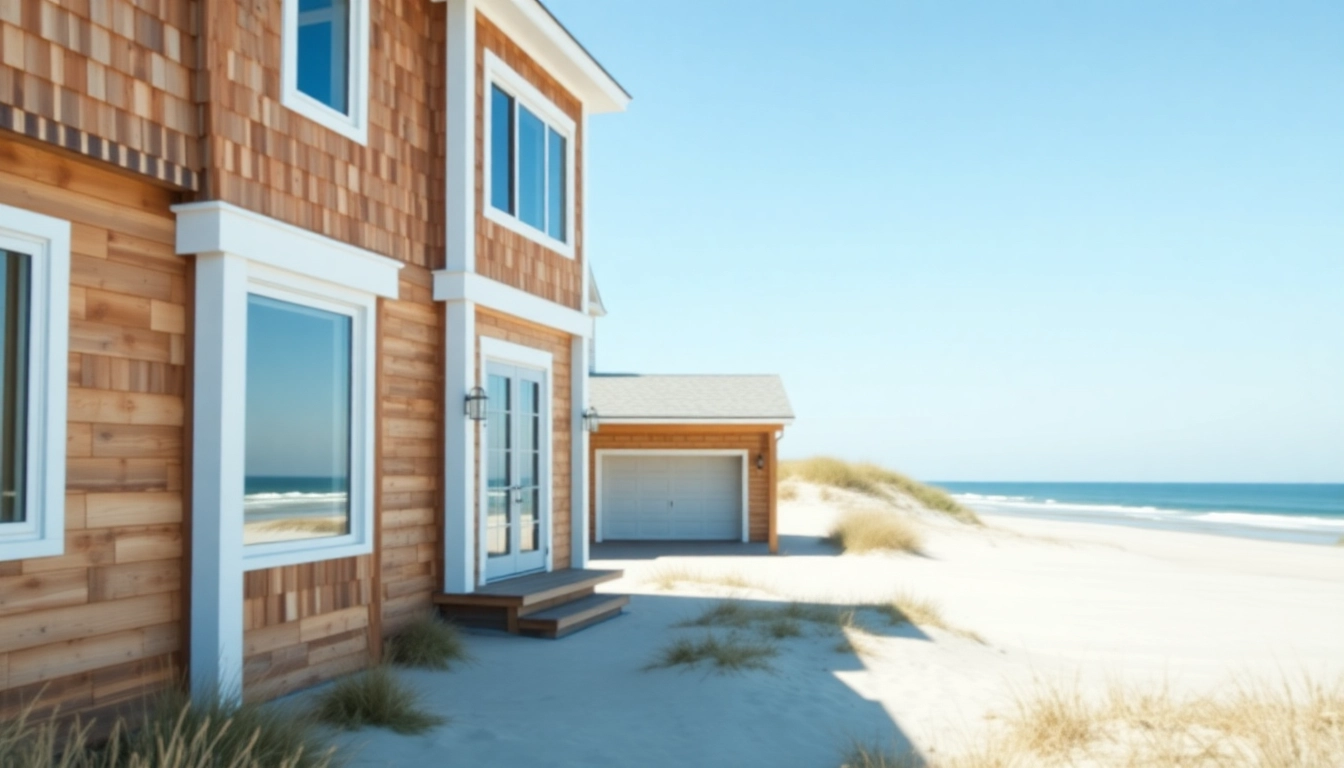
Understanding the Essence of Cape Cod Homes
Cape Cod homes, characterized by their classic charm and coastal essence, are a celebrated architectural style in the United States. Originating from early colonial settlers, these homes reflect a blend of utilitarian design and aesthetic appeal. Their quintessential features, coupled with their historical significance, make cape cod homes a coveted choice for homeowners looking to blend history with modern living. If you’re contemplating an expansion or remodel, understanding the essence of cape cod homes can guide you in making thoughtful design decisions. For more information on specific home expansions, explore our guide on cape cod homes.
Historical Significance of Cape Cod Architecture
The architecture of the Cape Cod house is deeply rooted in American history, dating back to the 17th century. Its design was influenced by the harsh New England climate, resulting in a practical yet aesthetically pleasing structure. The homes were primarily built by early settlers who sought to create enduring residences. The steep pitched roofs and symmetrical facades were not just for style; they allowed for the efficient shedding of snow, ensuring longevity and warmth. Today, this historical significance adds considerable value to these homes, providing a connection to the past while appealing to modern sensibilities.
Key Characteristics of Cape Cod Homes
Among the defining characteristics of cape cod homes are their one-and-a-half-story structures with dormers, shingle siding, and a central chimney. The typically low-slung profile of these homes, combined with the use of natural materials such as wood, reinforces their connection to the surrounding landscape. The open floor plan common in these homes promotes efficient use of space and connectivity among living areas. The historic elements, such as beadboard ceilings and hardwood floors, work together to create a warm, inviting atmosphere that embodies the coastal lifestyle.
Modern Adaptations in Design
As lifestyles and needs evolve, so too do the designs of cape cod homes. Modern adaptations have begun to incorporate sustainable materials and energy-efficient technologies while still maintaining traditional aesthetic elements. Expansions often include larger windows for improved natural light, open kitchen and living spaces, and outdoor areas that enhance the connection to nature. Balancing traditional design with contemporary needs allows homeowners to benefit from the historical charm while enjoying modern comforts.
Benefits of Home Expansion in Cape Cod Homes
Deciding to expand your cape cod home can yield numerous benefits, both in terms of functionality and financial value. Whether you’re looking to increase living space, enhance aesthetics, or improve property value, a well-planned expansion can fulfill those needs effectively.
Creating Extra Space for Living
With family sizes growing and lifestyle needs changing, having additional space can significantly impact daily living. Expanding your cape cod home allows for the integration of new family rooms, additional bedrooms, or even integrated home offices that respond to the current work-from-home trends. This added space can also provide a more comfortable environment and enhance the overall lifestyle of your family.
Enhancing Curb Appeal
Aesthetic appeal plays a pivotal role in a home’s value and desirability. An expansion offers the unique opportunity to revitalize the exterior of your cape cod home. Thoughtful design choices—such as adding architectural details that align with existing elements—can greatly enhance curb appeal, making the home more attractive to potential buyers or simply more enjoyable for you and your family.
Increasing Property Value
Property value is often a key consideration when contemplating any home renovation. Expanding your cape cod home is an investment that can yield excellent returns. By adding square footage and improving functional usability, you can elevate your home’s market value, making it an appealing option for future buyers. Additionally, well-executed expansions are part of the long-term value of your property, differentiating it in a competitive market.
Designing an Attached Garage to Complement Cape Cod Homes
When considering an expansion, many homeowners opt for attached garages, a practical way to enhance storage and convenience without compromising the integrity of cape cod homes. Thoughtful design and placement can allow for seamless integration that resonates with the home’s existing appeal.
Architectural Harmony and Aesthetics
For an attached garage to harmonize with your cape cod home, it is essential to consider shared architectural elements. Utilizing similar siding materials, roofing styles, and color palettes will create visual cohesion while ensuring that the garage feels like an integral part of the home rather than an afterthought. Architectural features, such as gabled roofs and window placements, should mirror those of the main home for a polished look.
Functionality and Storage Solutions
An attached garage fundamentally expands not only the living space but also the utility of the property. Properly designed garages can offer ample storage, workspace, and shelter for vehicles, leading to a more organized home environment. Incorporating functional elements like built-in shelves, workbenches, and overhead storage can maximize usability, which is particularly beneficial for active households.
Planning Permits and Construction Insights
Prior to commencing any construction, acquiring the necessary planning permits and understanding local construction guidelines are essential steps. Each location may have variations in zoning laws or homeowner association regulations that dictate what is permissible. Engaging with a local expert during this planning phase can ensure that the project adheres to legal standards and synchronizes well with your vision while avoiding costly delays or adjustments during construction.
Best Practices for Expanding Your Cape Cod Home
Expanding a cape cod home involves careful consideration and planning. Employing best practices can ease the process and lead to a successful expansion that enhances your lifestyle and property value.
Assessing Your Current Space
Before embarking on an expansion, take a comprehensive look at your current layout. Identify areas that are underutilized or could benefit from reconfiguration. This assessment will help in designing an expansion that maximizes functionality while minimizing disruption to the existing structure. Engage your family in this discussion to ensure that the expansion meets collective needs.
Choosing the Right Contractors
Selecting quality contractors is crucial to the success of your expansion. Research potential candidates by reviewing past work, checking references, and ensuring they are licensed and insured. A contractor with experience in cape cod style will be more adept at maintaining the home’s aesthetic during expansions. Establishing clear communication and understanding throughout the project will lead to better outcomes and satisfaction.
Tips for Budgeting Your Expansion
Success in expansion also hinges on creating a solid budget. Begin by defining your scope, prioritizing essential features and design elements, and then allocating funds accordingly. It is typical to set aside a contingency fund for unexpected costs, accounting for market fluctuations, or design changes that may occur during the planning and construction phases. Comprehensive budgeting helps maintain focus and reduces stress during the process.
FAQs About Cape Cod Home Expansions
What is the typical cost of expanding a Cape Cod home?
The cost of expanding a Cape Cod home can vary widely depending on the size and scale of the project. On average, homeowners can expect to spend between $100 to $300 per square foot, including design, materials, and labor.
How do I choose the best design for my home expansion?
Choosing the right design for your home expansion involves assessing your functional needs, considering the architectural style of your home, and consulting with design professionals to visualize your options effectively.
Are there local regulations for home extensions?
Yes, local regulations often dictate the parameters for home extensions, including zoning laws and building codes. It’s crucial to check with local authorities before commencing any construction.
What styles complement traditional Cape Cod architecture?
Styles that complement traditional Cape Cod architecture include Shingle style, Colonial Revival, and New England farmhouse, which also emphasize natural materials and simple lines.
How can I ensure my expansion matches my original home?
To ensure aesthetic harmony, pay close attention to the architectural details, materials, and color palettes used in your existing home. Engaging an architect familiar with cape cod styles can greatly assist in achieving a cohesive look.