

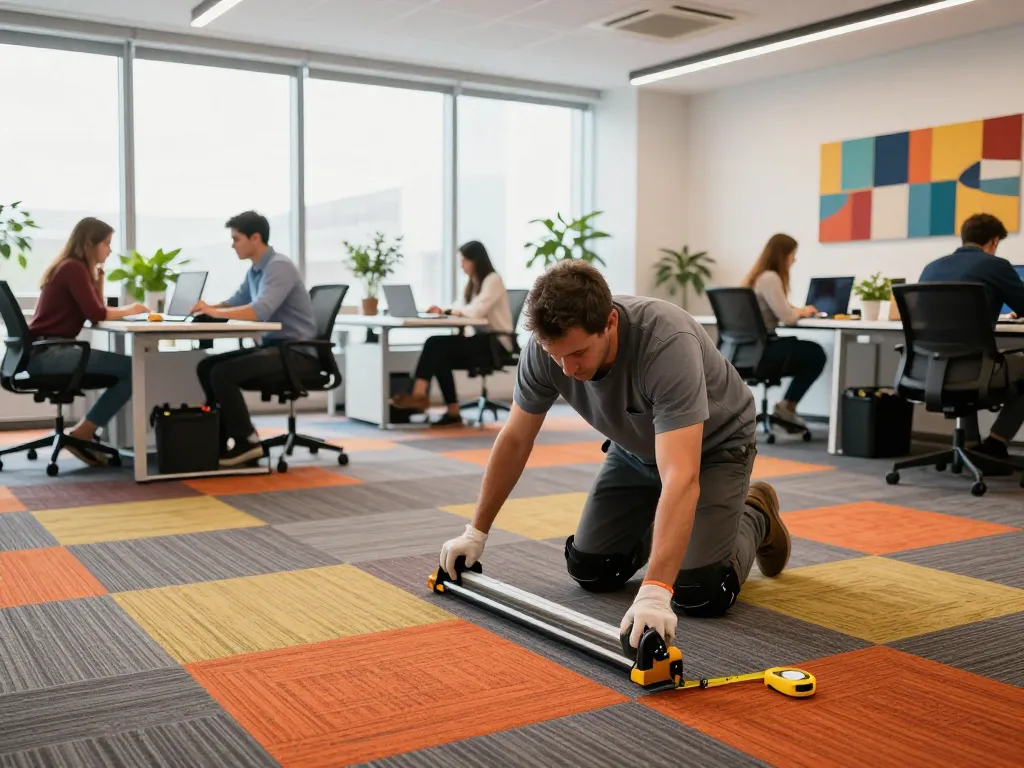
The Importance of Professional Commercial Carpet Installation
When it comes to creating a welcoming and functional space in a business environment, the flooring choice plays a critical role. One of the most popular options for commercial spaces is carpet, known for its aesthetic appeal and comfort. However, the effectiveness of this flooring solution significantly relies on the quality of installation. Professional commercial carpet installation ensures a perfect fit, enhances durability, and elevates the overall appearance of your space. In this article, we will explore the nuances of commercial carpet installation, including its unique requirements and advantages.
Understanding Commercial Spaces and Their Needs
Commercial spaces, such as offices, retail outlets, and hospitality venues, have distinct requirements when it comes to flooring. These environments experience high foot traffic, which means that the chosen carpet must withstand significant wear and tear. Additionally, considerations such as acoustics, insulation, and design aesthetics are paramount. Businesses must select carpeting that not only meets the functional needs of the space but also complements the overall branding and atmosphere.
Benefits of Professional Carpet Installation
- Expertise: Professional installers possess the necessary experience and skills to handle complex designs and patterns, ensuring that seams are inconspicuous and the overall finish is polished.
- Time Efficiency: With professionals, the installation process is streamlined and completed more quickly, minimizing disruption to your business operations.
- Quality Assurance: Professional installations come with warranties, giving you peace of mind regarding the longevity and durability of your new flooring.
- Customized Solutions: Experts can offer tailored solutions based on your specific needs, helping you choose the best materials and designs for your commercial space.
Common Misconceptions About Carpet Installation
Many business owners underestimate the importance of professional installation, believing that it is a straightforward task. However, common misconceptions include the idea that carpet can be laid over existing flooring without proper preparation and that DIY installation will save significant costs. In reality, improper installation can lead to costly mistakes, such as premature wear, uneven surfaces, and voided warranties. Understanding the intricacies of professional installation can help businesses avoid these pitfalls.
Choosing the Right Carpet for Your Business
Selecting the appropriate carpet for your commercial space involves considering various factors that impact both functionality and aesthetics. The right choice not only enhances the visual appeal of your business but also contributes to a positive experience for customers and employees alike.
Material Options for High-Traffic Areas
In high-traffic areas, durability is of utmost importance. Here are some popular materials suitable for commercial carpeting:
- Nylon: Known for its resilience and stain resistance, nylon is a top choice for busy offices and retail environments.
- Polyester: This material offers a comfortable feel and vibrant colors, ideal for less demanding areas.
- Wool: Although more expensive, wool carpets provide unmatched durability, natural insulation, and luxury appeal, making them suitable for upscale environments.
- Carpet Tiles: These modular pieces are easy to replace and maintain, making them a practical choice for high-traffic spaces.
Factors Influencing Carpet Selection
When choosing carpet for your business, consider the following factors:
- Traffic Levels: Assess foot traffic patterns before selecting materials. Higher traffic areas may require more durable options.
- Design Aesthetics: Choose colors and patterns that reflect your brand personality while maintaining a professional ambiance.
- Maintenance Requirements: Some materials require more frequent cleaning and care than others. Evaluate your team’s capacity to maintain the carpeting.
- BUDGET: Determine how much you are willing to invest in your carpeting. Quality often dictates the long-term savings you can expect.
Eco-Friendly Choices in Commercial Carpeting
As sustainability becomes more important in the business world, eco-friendly carpet options are gaining traction. Look for carpets manufactured from recycled materials or those that utilize low-emission production methods. Additionally, consider products that contribute to LEED certification, as these choices can enhance your company’s reputation among environmentally conscious clients.
Installation Process: Step-by-Step Guide
The installation of commercial carpet is a multi-step process that requires meticulous planning and execution. Here’s a breakdown of the typical steps involved:
Pre-Installation Preparation and Planning
- Site Assessment: A professional installer will first assess the installation site, measuring dimensions and identifying any potential obstacles.
- Subfloor Preparation: Properly preparing the subfloor is crucial for a successful installation. This may involve cleaning, leveling, and repairing any damages.
- Estimating Materials: Accurate estimates for carpet and padding are essential to avoid delays during installation.
Tools and Techniques Used in Carpet Installation
Professional installers utilize a variety of tools to ensure that the installation is completed to the highest standard. Key tools include:
- Carpet Stretcher: Helps achieve the perfect tension for seamless installation.
- Utility Knife: Used to cut carpet to the appropriate size.
- Seaming Tape: Facilitates jointing of carpet pieces for a smooth finish.
- Adhesives and Tack Strips: Ensure a proper fit and longevity of the carpet in place.
Post-Installation Maintenance Tips
Once the carpet is installed, maintaining it properly is key to extending its lifespan. Here are some tips:
- Regular Cleaning: Vacuum frequently to remove dirt and debris, and schedule professional cleanings as needed.
- Immediate Spot Treatment: Address spills and stains promptly to prevent permanent damage.
- Protective Treatments: Consider applying protective coatings that can enhance stain resistance and maintain appearance.
Cost Considerations for Commercial Carpet Installation
Understanding the financial implications of commercial carpet installation is vital for effective budget management. Numerous variables can influence pricing, including material type, installation complexity, and the size of the area being carpeted.
Average Costs for Different Types of Carpet
On average, the cost of commercial carpet ranges from $2.50 to $7.50 per square foot installed, depending on the construction type, fiber, backing, and project scale. Here’s a simplified breakdown:
- Nylon Carpet: $3.50 – $6.00 per square foot
- Polyester Carpet: $2.50 – $4.50 per square foot
- Wool Carpet: $5.00 – $10.00 per square foot
- Carpet Tiles: $4.00 – $8.00 per square foot
Investing in Quality: Long-Term Benefits
While initial costs may be higher for premium materials, investing in quality carpeting can lead to long-term savings. High-quality carpets are often more durable, reducing the frequency of replacement and maintenance needs. Additionally, they can enhance the overall energy efficiency of a space by providing better insulation.
Budgeting for Installation Services
When budgeting for commercial carpet installation, businesses should account for both carpet materials and installation labor. It’s wise to set aside an additional 10-20% of the total budget for unforeseen expenses, such as subfloor repairs or additional materials. Seeking quotes from multiple professional installers can also ensure you find competitive pricing without sacrificing quality.
Future Trends in Commercial Carpet Installation
As the industry evolves, several trends are shaping the future of commercial carpet installation. Staying informed about these trends is essential for any business looking to remain competitive in a changing market.
Innovative Technologies Impacting Carpet Design
Advancements in technology are leading to the development of innovative carpet designs and materials. Smart carpets equipped with sensors can monitor foot traffic, assist with maintenance needs, and even contribute to energy savings by optimizing heating and cooling systems.
Sustainability Trends in Flooring Options
As sustainability continues to gain traction, businesses are increasingly prioritizing eco-friendly materials. Expect to see a rise in carpets made from recycled plastics and organic fibers, along with greener manufacturing processes that minimize waste and pollution.
Preparing for the Future: What Businesses Should Know
Businesses must remain agile and responsive to changes in consumer preferences and environmental regulations. Investing in versatile and sustainable flooring solutions will not only improve aesthetics but can also enhance your business’s reputation as a leader in sustainability.
What is the average cost of commercial carpet installation?
The average cost can vary greatly depending on materials and labor. Typically, businesses can expect to pay between $2.50 and $7.50 per square foot.
How long does it take to install commercial carpeting?
Installation time can vary based on the size of the project and preparation involved. Smaller areas may be completed within a day, while larger spaces can take several days to a week.
What factors affect commercial carpet installation costs?
Several factors influence installation costs, including carpet type, labor rates, subfloor conditions, and project size. Always consult with professionals to get accurate estimates.
Are there environmentally friendly carpet options available?
Yes, many manufacturers now offer carpets made from recycled materials and organic fibers, which can help businesses meet sustainability goals.
How can I choose the right carpet for my business?
Consider factors such as the level of foot traffic, desired aesthetics, maintenance needs, and budget. Consulting with flooring experts can also provide valuable insights.