

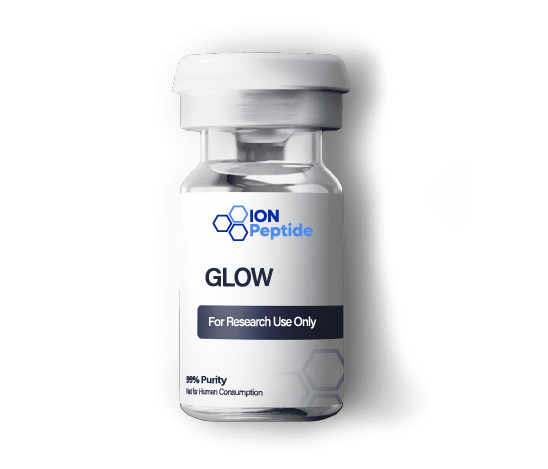
Understanding Peptides and Their Benefits
What Are Peptides?
Peptides are short chains of amino acids that serve as the building blocks of proteins in the body. Functioning as signaling molecules, they play a crucial role in various biological processes, including wound healing, immune response, and skin health. In the realm of skincare, peptides have gained attention for their potential to rejuvenate and enhance the appearance of the skin. When used in topical formulations, peptides can penetrate the skin barrier and stimulate collagen production, thereby improving skin elasticity and firmness.
How Do Peptides Enhance Skin Health?
Peptides contribute to skin health by promoting cellular communication, which aids in the repair and regeneration of skin cells. For instance, certain peptides signal fibroblasts, the cells responsible for producing collagen and elastin, to increase their activity. This results in plumper, smoother skin. Additionally, peptides can help reduce inflammation and improve the skin’s barrier function, leading to a more radiant and youthful complexion. By incorporating products like GLOW into your skincare routine, you can harness these benefits effectively.
Different Types of Peptides Used in Skincare
There are numerous types of peptides utilized in skincare, each with its specific functions. Signal peptides communicate with cells to stimulate collagen and elastin production, while neurotransmitter peptides help to relax facial muscles and reduce the appearance of fine lines. Carrier peptides transport essential minerals and nutrients to enhance skin health. Finally, enzyme inhibitor peptides work to slow down the breakdown of collagen and other essential proteins. Together, these peptides create a multifaceted approach to achieving youthful skin.
Key Ingredients for Achieving GLOW
Synergistic Effects of Peptides and Other Ingredients
Combining peptides with complementary ingredients can significantly amplify their effects. For example, pairing peptides with hyaluronic acid provides superior hydration, enhancing the skin’s plumpness and reducing the appearance of fine lines. Antioxidants like vitamin C can work alongside peptides to defend the skin against damage from environmental stressors, further promoting an even skin tone. This synergy not only maximizes benefits but also provides a holistic approach to skincare.
Natural Sources of Skin-Radiating Peptides
While synthetic peptides are common in skincare formulations, natural sources can also deliver powerful peptide benefits. For instance, peptides derived from milk proteins, such as casein and whey, have been shown to enhance skin hydration and elasticity. Similarly, peptides from plant extracts, such as soy or rice, can promote skin barrier function and radiance. Integrating products containing these natural sources can complement any skincare routine aimed at achieving a healthy glow.
Role of Hydration in Skin Radiance
Hydration is a key factor in achieving and maintaining skin radiance. Well-hydrated skin appears plumper and more youthful, while dehydrated skin can look dull and aged. Peptides help retain moisture by enhancing the skin’s natural barrier. Moreover, hydrating ingredients like glycerin, aloe vera, and squalane can further enhance the effects of peptides, ensuring the skin stays nourished and vibrant. Incorporating a consistent moisturizing routine is vital for supporting the skin’s hydration levels and optimizing its glow.
Application Techniques for Maximum Glow
How to Incorporate Peptides into Your Routine
Incorporating peptides into your skincare regimen involves a few straightforward steps. Start by cleansing your face thoroughly to remove impurities. Follow this with a peptide serum, applying a few drops onto clean skin and gently massaging it in. This technique allows for optimal absorption. After the serum, apply a hydrating moisturizer, which will enhance the benefits of the peptides and lock in moisture. Finally, always finish with sunscreen during the day to protect your skin from UV damage.
Best Practices for Skin Application
To ensure that your skincare products, especially those containing peptides, are effective, it’s essential to adopt best practices during application. Use a gentle tapping motion rather than rubbing, which stimulates circulation without irritating the skin. Always apply products to damp skin, as this can help with penetration. Additionally, using products in the correct order—from thinnest to thickest texture—will ensure you’re maximizing their efficacy. Lastly, consistency is key; regularly applying peptide products will yield the best results over time.
Frequency of Use for Optimal Results
The frequency of peptide application can greatly influence the results. Most experts recommend using peptide serums or creams twice daily—once in the morning and once at night. This routine allows for sustained benefits, promoting effective collagen synthesis. However, it’s essential to listen to your skin; if you experience any irritation, consider incorporating peptides gradually, allowing your skin to adjust. Optimal results typically emerge after 4 to 8 weeks of consistent use, leading to healthier, more radiant skin.
Measuring the Efficacy of GLOW Products
Key Metrics for Gauging Skin Improvement
To measure the efficacy of skincare products, particularly those containing peptides, certain metrics can be observed. Skin hydration levels can be assessed using a hydrometer, while elasticity can be evaluated through specialized skin analysis tools that measure firmness over time. Improvements in skin texture and tone can also be visually monitored through periodic photographs under consistent lighting. Tracking changes within these parameters will help determine the effectiveness of your routine.
Before and After: Real-life Testimonials
Real-life testimonials from users of peptide-infused products like GLOW can provide valuable insights into their effectiveness. Many users report significant improvements in skin texture, reduced wrinkles, and an overall youthful glow after consistent daily use. Collecting feedback through surveys and reviews allows for a broader understanding of how peptides work across different skin types and ages, reinforcing the potential adaptation of these products in various routines.
Consulting Professionals for Skin Evaluations
For a professional approach to measuring skin improvements, consulting a dermatologist or licensed aesthetician can be beneficial. Experts can offer in-depth evaluations of skin health, providing personalized recommendations based on unique skin concerns and goals. They may suggest specific peptide formulations or other complementary treatments tailored to your skin type, ensuring you achieve the desired outcomes effectively. Regular skin assessments can also track progress and fine-tune your routine as needed.
Common Questions About Peptide Skincare
Are there any side effects of using peptide products?
Peptide skincare products are generally well-tolerated. Some users may experience mild irritation or allergic reactions. It’s advisable to perform a patch test before full application and consult with a skincare professional if unsure.
How quickly can I expect results from GLOW products?
Results from peptides vary by individual but can typically be seen within 4 to 8 weeks of consistent use. Factors include skin type, condition, and adherence to a proper skincare routine.
Can I mix peptides with other skincare ingredients?
Yes, peptides can mix well with most ingredients, including antioxidants and moisturizers. However, be cautious not to combine with highly active ingredients like retinoids or strong acids without professional guidance.
Do I need to use peptides on all skin types?
Yes, peptides can benefit all skin types. They provide hydration, improve elasticity, and enhance overall skin appearance. Tailoring peptide formulations to specific needs, however, is crucial.
Can peptides help with acne scars?
Peptides can support healing and improve skin texture, potentially aiding in the reduction of acne scars. Their ability to promote collagen production helps in the regeneration of healthy skin.