
Understanding HVAC Systems in Las Vegas
In the dynamic climate of Las Vegas, having a reliable Heating, Ventilation, and Air Conditioning (HVAC) system is crucial for homeowners. As temperatures soar in the summer and dip in the winter, understanding the fundamentals of HVAC systems becomes essential for maintaining comfort in your home. Not only do these systems regulate indoor temperature, but they also play a critical role in indoor air quality. As you seek ways to improve your home’s efficiency, it’s beneficial to delve into how HVAC systems work and your options for hvac in las vegas.
What is HVAC and How It Works?
HVAC is a comprehensive term that encompasses the technologies used for heating, cooling, and ventilating indoor spaces. It operates through various equipment, including furnaces, air conditioners, and ventilation systems, which adjust air temperature and improve air quality in homes and workplaces.
An HVAC system typically includes the following components: an air conditioning unit for cooling, a heating unit for warming, a distribution system (ductwork), and a control system that manages the functions of the HVAC equipment. This integration ensures a well-balanced environment within the home.
Key Components of Home HVAC Systems
- Air Conditioner: Responsible for cooling indoor spaces, particularly during the sweltering Las Vegas summers.
- Furnace: Provides heating during the colder months, ensuring your home remains cozy and warm.
- Thermostat: Acts as the control center, allowing you to regulate temperatures and set schedules for heating and cooling.
- Ductwork: Transports conditioned air throughout your home, ensuring even distribution and comfort.
- Ventilation System: Helps maintain air quality by exchanging stale indoor air with fresh outdoor air.
Importance of HVAC for Local Climate Adaptation
Las Vegas is known for its extreme weather conditions, making HVAC systems not just a luxury but a necessity. The ability to adapt to seasonal temperature fluctuations is crucial for maintaining a comfortable living environment. Effective HVAC systems affect not only comfort but also energy efficiency, helping homeowners reduce utility bills while keeping their homes safe and cozy year-round.
Choosing the Right HVAC Services in Las Vegas
Finding the right HVAC services can often feel like a daunting task, especially with numerous companies competing for your attention. It’s essential to evaluate your options thoroughly to ensure you receive quality and trustworthy service. Look for local contractors who are familiar with the specific challenges posed by the Las Vegas climate.
Factors to Consider When Hiring HVAC Technicians
- Experience and Certifications: Verify that the technicians are licensed and have substantial experience in HVAC systems.
- Customer Reviews: Check reviews and ratings on platforms like Yelp or Google to learn about previous customers’ experiences.
- Service Offerings: Ensure the company provides comprehensive services, including installation, maintenance, and emergency repairs.
- Warranty and Customer Support: A good HVAC company will offer warranties on their work and provide customer support for any follow-up issues.
Comparing Local HVAC Companies and Their Ratings
Competition among HVAC service providers in Las Vegas is high, but this can work in your favor as a consumer. Take the time to compare services, pricing, and customer feedback. This enables you to find the best option that meets your budget while ensuring quality work.
Special Offers and Discounts on HVAC Services
Many local HVAC companies frequently offer specials or discounts, making it easier to access affordable services. Keep an eye on seasonal promotions or limited-time offers that can significantly reduce the cost of installation or maintenance services.
Preventative Maintenance for HVAC Systems
Just like any mechanical system, HVAC units require regular maintenance to function efficiently. This proactive approach not only prolongs the life of your system but can also prevent costly repairs.
Regular HVAC Maintenance Checklist
- Change or clean air filters monthly or as recommended.
- Inspect ductwork for leaks and have it cleaned periodically.
- Schedule professional tune-ups at least twice a year, ideally before summer and winter.
- Check thermostat settings to optimize comfort and energy efficiency.
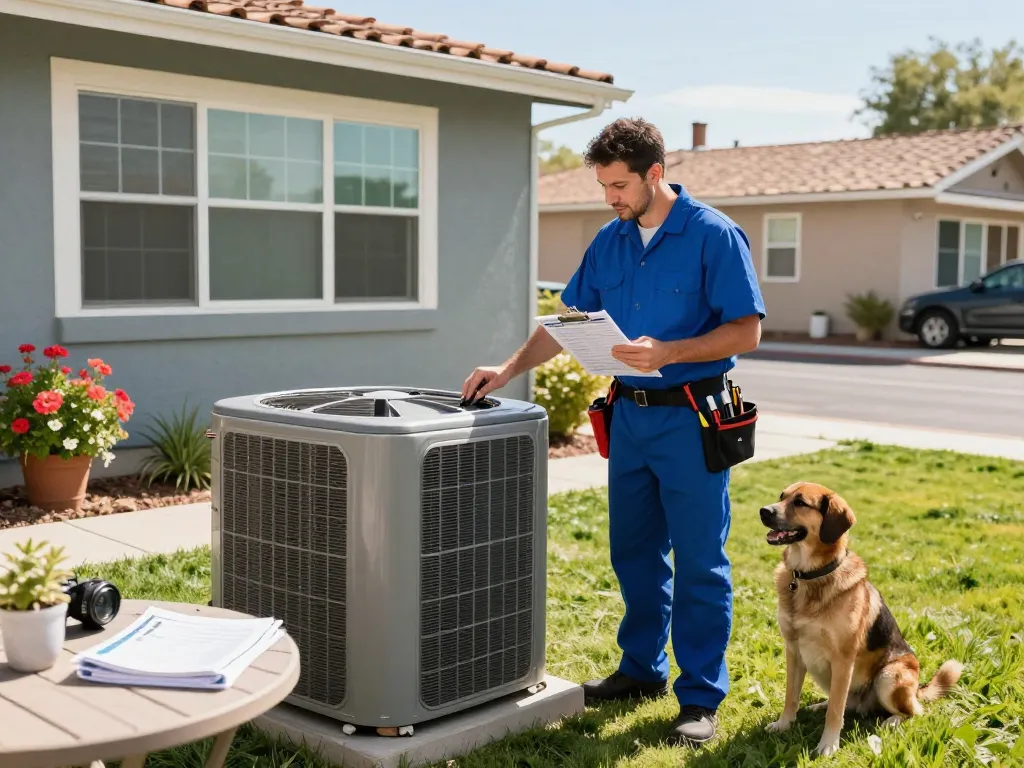
- Inspect and clean outdoor units, removing any debris that could cause blockages.
Benefits of HVAC Maintenance Plans
Investing in an HVAC maintenance plan can be a smart decision for homeowners. These plans often include benefits such as priority service, discounted rates, and scheduled maintenance visits. Regular maintenance helps improve system efficiency, leads to better energy savings, and can even extend the lifespan of your HVAC system.
Signs Your HVAC Needs Immediate Attention
- Unusual noises, such as grinding or squeaking, indicating mechanical problems.
- Inconsistent temperatures throughout your home.
- Increased energy bills without a change in usage.
- Unpleasant odors emanating from vents.
- Increased frequency of system cycling on and off.
Common HVAC Challenges Homeowners Face
Every homeowner may encounter challenges with their HVAC systems at some point. Understanding these common issues can help you respond effectively and ensure your system runs smoothly.
Addressing Heating and Cooling Inefficiencies
If you notice uneven heating or cooling, it may be time to consult with a professional. Inefficiencies often stem from issues such as blocked vents, incorrect thermostat calibration, or inadequate insulation, all of which can impact your HVAC system’s performance.
Dealing with HVAC Noises and Odors
Strange sounds or smells should never be ignored as they can indicate underlying problems. Regular inspections can help pinpoint issues early before they escalate into costly repairs or replacements.
Understanding HVAC System Lifespan and Replacement
Most HVAC systems have a lifespan of 15 to 25 years. Regular maintenance can keep them running efficiently, but eventually, systems may need replacement. Knowing when to invest in a new unit can save you money and improve energy efficiency.
The Future of HVAC Services in Las Vegas
The HVAC industry is evolving rapidly, with new technologies and sustainable practices paving the way for enhanced performance and efficiency. Staying informed about these trends can help homeowners make sound decisions regarding their HVAC needs.
Emerging Trends in HVAC Technology for 2026
New technologies like variable refrigerant flow systems, advanced smart thermostats, and energy-efficient units are setting the stage for the future of HVAC. These innovations not only improve comfort but also promote energy conservation.
Sustainable HVAC Practices and Energy Efficiency
With an increasing focus on sustainability, many HVAC companies are incorporating eco-friendly practices and equipment into their services. Homeowners can benefit from higher efficiency systems that reduce environmental impact while also cutting energy costs.
How Smart Home Integration is Changing HVAC Services
Smart home technology is increasingly being integrated with HVAC systems, allowing homeowners to control their home’s climate remotely using mobile devices. This integration enables better energy management and convenience, ultimately enhancing overall comfort.
What are common HVAC maintenance tips?
Regular filter changes, consistent thermostat settings, and the scheduling of biannual professional inspections are essential maintenance tips to keep your HVAC running efficiently.
How can I find reliable HVAC services in Las Vegas?
Research local companies, read customer reviews, and compare service offerings to find a reliable HVAC service provider in Las Vegas that meets your needs.
What should I do if my HVAC system is not cooling?
Check the thermostat settings and air filters. If these are not the issue, contact a professional for a thorough inspection and repair.
How often should I service my HVAC unit?
It’s advisable to have your HVAC system serviced at least twice a year – once before the summer and once before the winter season.
What are the benefits of an HVAC maintenance plan?
Benefits include priority service, discounts on repairs, and regular inspections to ensure optimal system performance and longevity.