
Understanding the Importance of Window Profiles
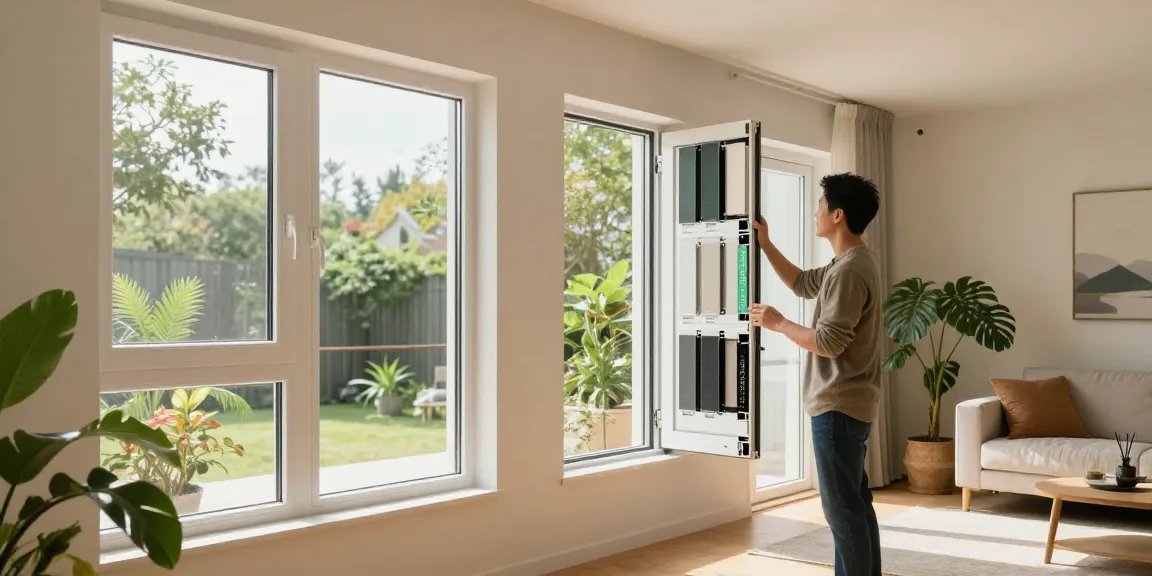
When it comes to the functionality and durability of modern windows, the profile is a critical component that should never be overlooked. A window profile acts as the backbone of the entire window structure, influencing not only its aesthetic appeal but also its energy efficiency, weather resistance, and overall longevity. Companies like Steko, which pride themselves on using premium Ukrainian and European materials, ensure that their profiles are both environmentally friendly and durable, maintaining their original appearance over time without yellowing or cracking. For those exploring options in window profiles, 11 considerations can offer comprehensive insights into the quality and craftsmanship behind these essential components.
What Makes a Quality Profile?
A high-quality window profile should have several key attributes. These include:
- Structural Integrity: The profile must withstand natural elements such as wind, rain, and snow without compromising its shape or function.
- Thermal Efficiency: High-performance profiles help minimize energy loss and enhance insulation, thereby reducing heating and cooling costs.
- Resistance to Weathering: Profiles should resist degradation from UV exposure, humidity, and temperature fluctuations to maintain their performance over time.
- Aesthetic Versatility: Quality profiles can be customized in various colors and finishes to complement any architectural style.
- Ease of Maintenance: A good profile should be easy to clean and maintain, ensuring long-lasting beauty and functionality.
Profiles: Ukrainian vs. European Standards
The standards for window profiles often vary between Ukrainian and European manufacturers. While both regions aim for high-quality outputs, European profiles tend to adhere to stricter regulations regarding thermal performance and sustainability. Ukrainian profiles, like those from Steko, aim to match these high standards through rigorous testing and quality assurance processes, emphasizing the importance of eco-friendly materials and processes in their production.
Environmental Considerations for Window Materials
In today’s climate-conscious world, the choice of materials used in window profiles is more important than ever. Many manufacturers are shifting toward sustainable practices by using recycled materials and implementing environmentally friendly manufacturing processes. Choosing profiles that utilize such materials can significantly reduce the ecological footprint of any renovation or construction project.
Selecting the Right Type of Window
Choosing the right window type involves more than just picking an aesthetic; it has practical implications for energy efficiency and comfort. The options range from single-glazed to multi-glazed windows, each offering unique benefits. Understanding these options is crucial for any homeowner.
Single vs. Double vs. Triple-Glazed Windows
The decision between single, double, and triple-glazed windows should be based on factors like climate, budget, and energy efficiency needs:
- Single-Glazed Windows: These are often the least expensive but provide minimal insulation, making them suitable for mild climates.
- Double-Glazed Windows: Offering better insulation and energy efficiency, these windows are ideal for most residential applications, especially in fluctuating climates.
- Triple-Glazed Windows: These are the most energy-efficient and soundproof options, perfect for extreme climates or noise-prone areas.
Benefits of Energy-Efficient Glass
Energy-efficient glass technology has evolved significantly, offering numerous benefits:
- Cost Savings: Lower energy bills due to improved insulation qualities.
- Comfort: Reduced heat loss in winter and minimized heat gain in summer, creating a more comfortable living environment.
- Noise Reduction: Multi-layer glazing technology can help dampen external noise, contributing to quieter indoor spaces.
How to Choose the Right Profile for Your Needs
When selecting a window profile, consider the following factors:
- Home Style: Ensure the profile complements your home’s architectural style.
- Energy Ratings: Look for profiles with high energy efficiency ratings, which can be found on certifications.
- Personal Preferences: Choose colors and finishes that match your aesthetic preferences while considering functionality.
Customizing Your Window Installation
Once you’ve selected the type of window and profile, the next step is customization to ensure it meets your specific needs and preferences. This step is vital for achieving optimal performance and aesthetic appeal.
Essential Measurements and Specifications
Measuring your window openings accurately is crucial for a successful installation. Here are the basic steps:
- Measure Width and Height: Measure the rough opening of the window frame, accounting for any variances.
- Check for Level: Ensure the opening is square and level to prevent installation issues.
- Consider Frame Thickness: Choose a profile that matches the thickness of your wall for optimal fit.
Choosing the Right Accessories
Accessories such as window sills, and frames can enhance both the functionality and aesthetics of your windows. Consider options that fit well with your chosen profile and meet your performance requirements.
Color and Finish Options for Aesthetic Appeal
Window profiles are available in a variety of colors and finishes. Popular choices include:
- White: A classic choice that fits virtually any home style.
- Laminated Finishes: These provide a wood-like appearance without the maintenance associated with real wood.
- Custom Colors: Many manufacturers now offer bespoke color options, allowing for greater customization.
Window Installation Process
Installing plastic windows may seem daunting, but following a structured process can simplify it. Proper installation is essential for achieving the desired energy efficiency and longevity of the windows.
Step-by-Step Guide to Installing Plastic Windows
Here’s a brief overview of the installation process:
- Preparation: Gather necessary tools and ensure materials are on hand.
- Remove Old Windows: Carefully take out the old window frames and clean the opening.
- Fit New Frame: Place the new window frame into the opening, ensuring it is level and square.
- Secure the Frame: Use screws to anchor the frame in place, checking for alignment.
- Insulate: Add foam insulation around the frame to enhance energy efficiency.
- Install Trim: Finish with any interior trim for a polished look.
Best Practices for a Professional Finish
To achieve a professional result, consider these best practices:
- Use Quality Materials: Invest in good quality windows and accessories.
- Follow Manufacturer Instructions: Adhere strictly to installation guidelines provided by the manufacturer.
- Ensure Proper Sealing: Check all seals and insulations to prevent drafts and moisture intrusion.
Common Mistakes to Avoid During Installation
Some common pitfalls in window installation to avoid include:
- Incorrect Measurements: Always double-check your measurements before purchasing or cutting materials.
- Poor Sealing: Ensure that all gaps are sealed properly to maximize energy efficiency.
- Ignoring Manufacturer Guidelines: Each window type may have unique requirements; failing to follow them can lead to poor performance.
Maintenance and Longevity of Plastic Windows
To maximize the lifespan of your plastic windows, regular maintenance is key. Understanding how to care for them will ensure they remain functional and visually appealing for years to come.
Routine Maintenance Tips for Homeowners
Implement these maintenance strategies to extend the life of your windows:
- Regular Cleaning: Clean window frames and glass to remove dirt and grime that could cause damage.
- Inspect Seals: Check seals and caulking regularly for signs of wear or damage.
- Check Locks and Hinges: Ensure that hardware works correctly and lubricate as necessary.
Signs of Wear and When to Replace
Knowing when to replace plastic windows is crucial for maintaining energy efficiency. Key signs include:
- Drafts: If you feel cold air coming through the windows, it may be time for a replacement.
- Condensation: Excess moisture between window panes indicates seal failure.
- Visible Damage: Cracks or warping in the frames suggest that replacement is necessary.
Future Trends in Energy Efficiency and Window Technology
The window industry is continuously evolving, with exciting advancements in technology aimed at improving energy efficiency:
- Smart Windows: These adapt to changing light conditions to optimize energy usage and indoor comfort.
- Advanced Glazing Technologies: New coatings and materials enhance thermal performance while allowing natural light.
- Integration with Home Automation: Modern windows can work with smart home systems for enhanced control and convenience.
How do I choose the right window profile?
Opt for profiles that best suit your home’s climate, style, and energy-efficiency needs. Consider seeking advice from professionals if you’re uncertain.
What are the benefits of energy-efficient windows?
Energy-efficient windows can lead to significant cost savings on energy bills, improved comfort levels, and a reduction in environmental impact.
How long do plastic windows last?
With proper maintenance, plastic windows can last between 20 to 40 years, making them a durable choice for homeowners.
What measurements do I need for window installation?
Measure the width and height of the window opening, and consider frame thickness to ensure a perfect fit.
Are there color options for plastic windows?
Yes, modern plastic windows come in various colors and finishes, allowing for customization to match your home’s design.