

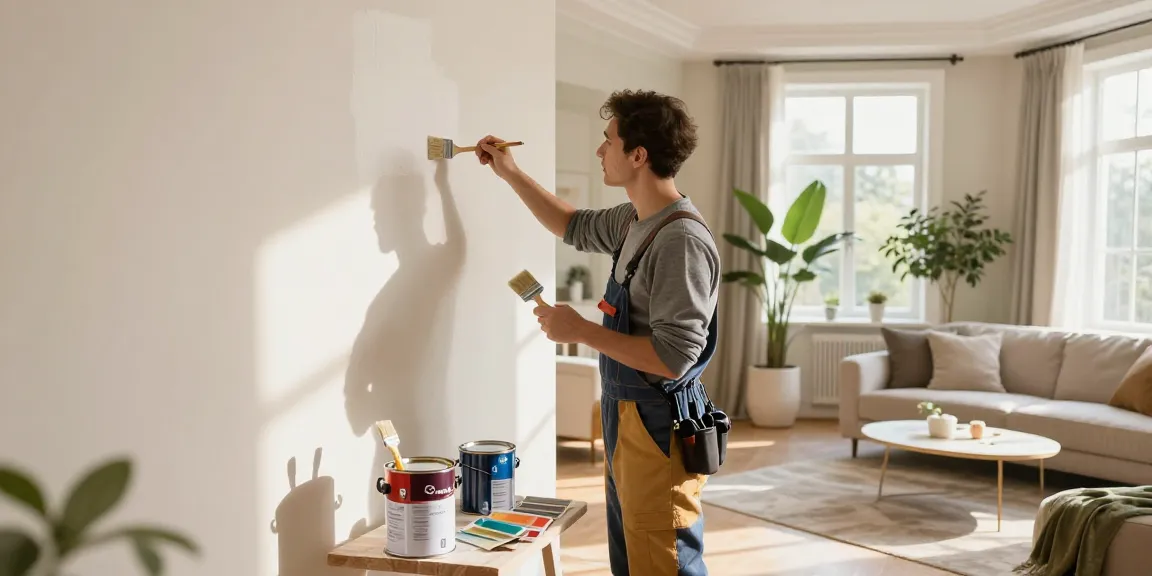
Understanding Renovation Basics
Renovation is more than just a buzzword in home improvement; it’s a fundamental process that breathes new life into structures, whether they are commercial or residential. As we navigate through 2026, the importance of renovation has only grown, allowing homeowners to update their spaces for comfort and style while boosting property value. By addressing critical aspects of renovation, we can ensure that the projects not only meet aesthetic desires but also serve practical needs and sustainability goals. When exploring options, Renovation provides comprehensive insights into effective strategies and techniques.
What is Renovation and Why is it Important?
At its core, renovation refers to the act or process of improving broken, damaged, or outdated structures, enhancing their functionality and aesthetics. This process is crucial for several reasons:
- Enhanced Property Value: Renovations can significantly increase the market value of a property, making it a sound investment.
- Improved Safety: Updating older structures often addresses safety concerns, such as outdated electrical systems or plumbing.
- Modernization: Renovations allow homeowners to integrate modern technologies and design trends, making living spaces more comfortable and efficient.
- Personalization: Home renovations enable homeowners to create spaces that reflect their personal style and needs.
Key Differences Between Renovation and Remodeling
While the terms renovation and remodeling are often used interchangeably, they refer to distinct processes:
- Renovation: Typically involves restoring or improving an existing structure without changing its layout or purpose. Examples include repainting walls, replacing flooring, or updating fixtures.
- Remodeling: Involves altering the structure or layout of a space. This might include knocking down walls, adding rooms, or changing the use of a space, such as converting a basement into a living area.
Common Types of Renovation Projects
Renovation projects can vary widely in scope and purpose. Here are some common types:
- Kitchen Renovation: One of the most popular projects, transforming the kitchen can enhance both functionality and style.
- Bathroom Renovation: Upgrading bathrooms is crucial for improving comfort and increasing property value.
- Exterior Renovation: Enhancing the facade of a building can improve curb appeal and protect against environmental factors.
- Whole-Home Renovation: Comprehensive projects that update an entire home to modern standards while enhancing livability.
Planning Your Renovation Project
Effective planning is the cornerstone of a successful renovation project. It not only helps in staying within budget but also ensures that the renovation meets all expectations.
Setting a Realistic Budget for Your Renovation
Budgeting is a critical step in any renovation project. Here are key factors to consider:
- Research Costs: Investigate the average costs for your specific project—this includes materials, labor, and unexpected expenses.
- Prioritize Needs vs. Wants: Determine which aspects of the renovation are essential and which are embellishments. This will help in making sound financial decisions.
- Contingency Fund: Set aside 10-20% of your budget for unforeseen issues that may arise during the renovation.
Choosing the Right Style and Design Elements
Design choices play a significant role in the success of any renovation. Consider the following:
- Current Trends: Research current styles to ensure your renovation is modern and appealing.
- Functionality: Make sure that your design choices enhance the functionality of the space, addressing any practical needs.
- Personal Touch: Incorporate elements that reflect your personality, making the space uniquely yours.
Hiring Professional Contractors vs. DIY
A common dilemma for homeowners is whether to hire professionals or take on the renovation themselves. Here’s how to approach it:
- Skill Assessment: Evaluate your skillset and the complexity of the project. Some tasks, like electrical work, are best left to experts.
- Cost Analysis: Sometimes hiring professionals can save you money in the long run by avoiding mistakes and ensuring quality workmanship.
- Time Considerations: Consider how much time you can realistically dedicate to a DIY project without compromising your lifestyle.
Essential Renovation Techniques and Strategies
Once you have your plan in place, implementing effective techniques and strategies is crucial for successful renovations.
Best Practices for Organizing Your Renovation
Staying organized can mitigate many headaches during renovation. Here are some best practices:
- Detailed Scheduling: Create a timeline that outlines project phases and deadlines.
- Regular Updates: Communicate frequently with all parties involved, ensuring everyone is on the same page.
- Documentation: Keep records of all decisions, changes, and receipts for future reference.
Materials to Consider for Optimal Results
Selecting the right materials impacts both the aesthetics and functionality of your renovation. Consider:
- Quality Over Cost: Invest in high-quality materials that will stand the test of time rather than cheaper alternatives that may require early replacement.
- Eco-Friendly Options: Where possible, choose sustainable materials that contribute to environmental conservation.
- Style Compatibility: Ensure that materials align with your overall design theme for a cohesive look.
Eco-Friendly Renovation Tips for Sustainable Living
As sustainability continues to gain importance, consider these eco-friendly renovation tips:
- Energy-Efficient Appliances: Upgrade to appliances that consume less energy and water.
- Recycled Materials: Utilize recycled products to minimize waste and reduce your carbon footprint.
- Natural Light: Design your space to maximize natural light, which can reduce the need for artificial lighting.
Measuring Success in Renovation Projects
Determining the success of your renovation involves several key factors beyond mere aesthetics.
Key Performance Indicators for Home Renovations
Establish metrics to evaluate the success of your renovation project. These might include:
- Budget Adherence: Compare final costs to the initial budget to measure financial success.
- Timeline Completion: Evaluate whether the project was completed within the set schedule.
- Quality of Work: Assess the craftsmanship and materials used throughout the renovation.
How to Evaluate the Quality of Work Done
After completion, it’s essential to review the work carefully. Here’s how:
- Conduct Inspections: Schedule follow-up inspections to check for any issues or deficiencies.
- Solicit Feedback: Gather opinions from those using the space to ensure it meets their expectations.
- Document Any Issues: Keep a record of any problems that arise for potential follow-up or negotiation with contractors.
Customer Satisfaction and Feedback Analysis
Evaluating customer satisfaction is a vital aspect of understanding the success of a renovation. Engage clients through:
- Surveys: Develop questionnaires to gather feedback on their experience and the final result.
- In-Person Follow-Ups: Arrange meetings to discuss their satisfaction and any concerns directly.
- Online Reviews: Encourage clients to leave reviews and ratings, providing insights for future customers.
Future Trends in Home Renovation for 2026
As we look to the future, several trends are emerging in the renovation industry that homeowners should consider.
Innovative Technologies Shaping Renovation
Technology is transforming how renovations are approached. Key innovations include:
- Smart Home Integration: Incorporate smart technology for improved energy efficiency and convenience.
- Virtual Reality Design: Utilize VR to visualize renovations before they begin, allowing for better decision-making.
- 3D Printing: Explore 3D printing to create customized fixtures or components, reducing waste and costs.
Emerging Design Trends to Watch
Design trends continue to evolve, and staying updated can enhance your renovation’s appeal:
- Biophilic Design: Integrating nature into design promotes well-being and harmony.
- Minimalism: Simplified designs with clean lines and open spaces continue to be popular.
- Multifunctional Spaces: Homes are increasingly designed for versatility, catering to both work and leisure activities.
How Economic Factors Influence Renovation Decisions
The economic landscape plays a significant role in shaping renovation trends. Key considerations include:
- Market Conditions: Understanding real estate trends and housing market fluctuations can determine when to renovate.
- Material Costs: Fluctuating prices for construction materials can impact overall project costs and timelines.
- Interest Rates: Changes in interest rates can affect financing options for renovations and should be monitored closely.
What is the average cost of a renovation project?
The average cost of renovation projects can vary widely based on location, scope, and materials used. However, homeowners should expect to budget adequately to ensure quality results.
How long does a typical renovation take?
Project timelines depend on the scope but typical renovations can take anywhere from a few weeks to several months. Planning and hiring efficient contractors can help minimize delays.
What are the main challenges in home renovation?
Some common challenges include budget overruns, unforeseen structural issues, and delays in obtaining permits. Being prepared for these obstacles is crucial for success.
How can I finance my renovation project?
Financing options include personal loans, home equity loans, and renovation-specific loans. Each option has its pros and cons, so it’s essential to assess which aligns best with your financial situation.
What are the most popular renovation styles in 2026?
As we advance into 2026, popular styles include modern minimalist designs, eco-friendly materials, and open-layout concepts that promote connectivity and functionality.