
Understanding Pre-Engineered Buildings
Pre-engineered buildings (PEBs) have emerged as a revolutionary solution in the construction industry, offering innovative and efficient alternatives to traditional structures. These buildings are designed and fabricated at a factory to meet specific customer requirements, enabling a streamlined assembly process on-site. By prioritizing efficiency and cost-effectiveness, PEBs are transforming how industries approach construction projects. When exploring options, dpconsteel.in provides comprehensive insights into these advanced building solutions.
What Are Pre-Engineered Buildings and Their Advantages?
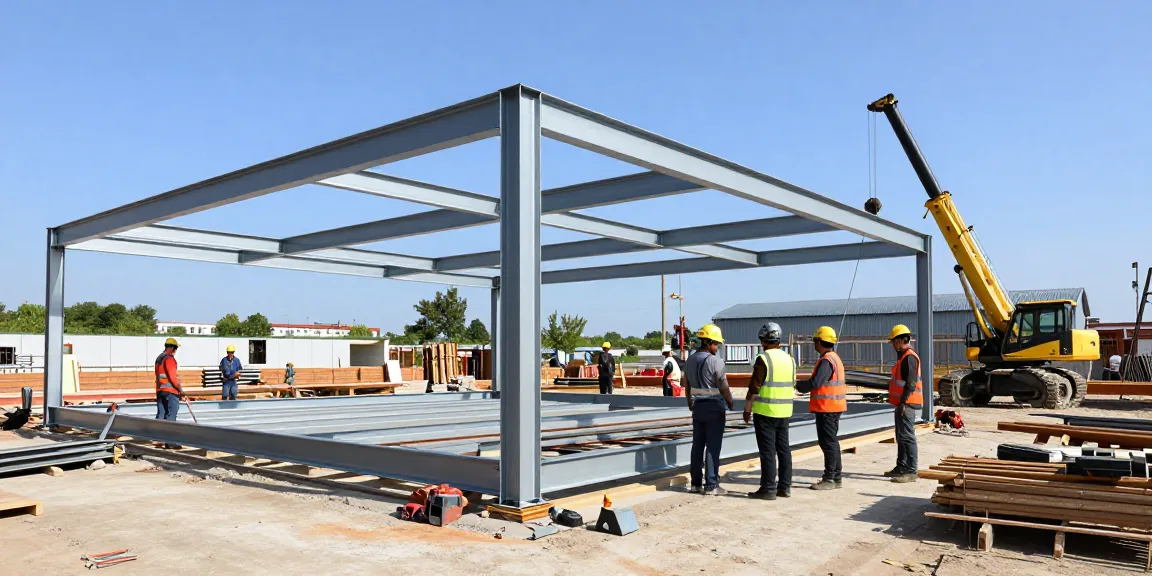
Pre-engineered buildings are constructed using pre-fabricated components designed specifically to meet various specifications outlined by clients. This method offers numerous advantages, notably:
- Cost Efficiency: Reduced labor and material costs make PEBs a budget-friendly choice.
- Rapid Construction: As components are fabricated off-site, on-site assembly is quicker, leading to shorter project timelines.
- Customization: Each building can be tailored to meet precise specifications, ensuring functionality and aesthetics align with the client’s vision.
- Sustainability: Many PEBs utilize eco-friendly materials and construction methods, reducing environmental impacts.
Common Misconceptions About PEBs
Despite their growing popularity, several misconceptions persist regarding pre-engineered buildings:
- Only for Industrial Use: Many people believe that PEBs are limited to industrial applications; however, they are widely used for commercial, institutional, and even residential buildings.
- Lower Quality: Contrary to this belief, PEBs are built with high-quality materials and are engineered for durability and performance.
- Design Limitations: The notion that PEBs can’t be stylish or architecturally appealing is false. Innovative designs can create striking structures.
Applications Across Various Industries
Pre-engineered buildings serve a diverse array of industries, showcasing their versatility:
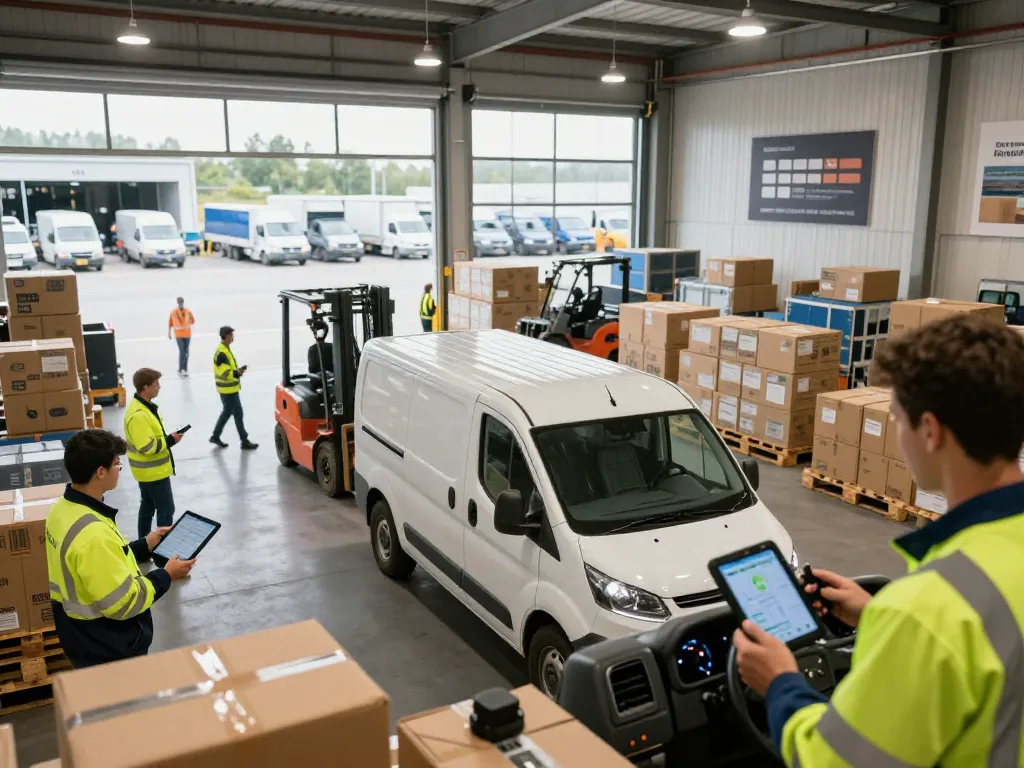
- Industrial Buildings: From factories to warehouses, PEBs are ideal for robust manufacturing and storage demands.
- Sports and Leisure: Gyms, indoor arenas, and sporting facilities benefit from the spaciousness and design flexibility of PEBs.
- Institutional Sector: Schools, hospitals, and community centers increasingly utilize PEBs for their operational efficiencies.
- Infrastructure Projects: Bridges, bus shelters, and other infrastructure projects leverage the durability of PEBs.
- Specialty Buildings: Customized needs for unique projects can be effectively addressed with pre-engineered solutions.
Innovation at dpconsteel.in
At the forefront of the pre-engineered building sector, DP Consteel exemplifies innovation through advanced technologies and methodologies tailored for building solutions. The company focuses on delivering high-quality PEBs with extensive customization options to meet the unique demands of each sector.
Cutting-Edge Technology in PEB Manufacturing
DP Consteel employs state-of-the-art technology in its manufacturing processes. The integration of computer-aided design (CAD) and computer numerical control (CNC) machining allows for precise component fabrication, ensuring that every part fits perfectly during assembly. This technology reduces waste, enhances quality control, and allows for rapid prototyping.
Customization Options for Unique Building Needs
One of the most significant advantages of PEBs is their adaptability. DP Consteel offers a variety of customization features, such as:
- Customized layouts based on specific operational needs.
- Varied materials and finishes to align with branding and aesthetic preferences.
- Modular designs that allow for future expansion or reconfiguration.
How dpconsteel.in Ensures Quality and Durability
Ensuring quality and durability is paramount at DP Consteel. Each stage of production undergoes rigorous quality checks, from raw material sourcing through to the final assembly process. By adhering to international standards, DP Consteel assures clients that their investments are built to last, handling varying loads and environmental factors without compromising structural integrity.
Industry Insights and Trends for 2026
The construction landscape is evolving rapidly, with pre-engineered buildings playing a crucial role in shaping the future. Understanding these changes can help stakeholders adapt and thrive.
The Future of Pre-Engineered Buildings
As we move toward 2026, the demand for PEB solutions is expected to grow exponentially. Key factors driving this trend include:
- Increased environmental consciousness, prompting the adoption of sustainable building practices.
- Technological advancements that streamline construction and reduce costs.
- Growing urbanization, leading to higher demand for efficient, quick-build structures.
Emerging Trends in Construction Technology
Several emerging technologies are influencing the construction industry, including:
- Building Information Modeling (BIM): This technology enhances collaboration among stakeholders and improves project visualization.
- Smart Building Technologies: Features such as IoT integration help optimize building management and energy efficiency.
- 3D Printing: This innovative technique is being explored for creating building components, reducing waste and labor costs.
Environmental Considerations and Eco-Friendly Practices
With sustainability at the forefront of construction strategies, PEBs are increasingly recognized for their eco-friendly advantages. DP Consteel is committed to incorporating sustainable practices, such as:
- Utilizing recyclable materials in construction.
- Implementing energy-efficient designs and systems.
- Minimizing waste through efficient manufacturing processes.
Case Studies of Successful Projects
To illustrate the impact of pre-engineered buildings, we can look at several notable projects undertaken by DP Consteel.
Highlighting Notable Projects by dpconsteel.in
Successful projects like the Eco Green Foil Pvt. Ltd. facility showcase DP Consteel’s ability to deliver customized PEB solutions. The facility was designed to accommodate high production demands while achieving energy efficiency through optimized layout and materials.
Lessons Learned From Industry Leaders
Through its diverse portfolio, DP Consteel has gleaned valuable insights that can benefit new clients:
- Engage stakeholders early in the planning process to ensure all needs are met.
- Invest in quality materials and technology to enhance durability and reduce maintenance costs.
- Be flexible and open to custom solutions that respond to specific challenges.
Real-World Impact of PEB Solutions
PEB solutions have a transformative effect on client operations. For example, JD Marketing Export Pvt. Ltd. experienced reduced construction time and costs while benefiting from a tailored facility that improved workflow efficiencies. These outcomes exemplify why more companies are choosing PEBs for their construction needs.
Getting Started with Your Project
Starting a pre-engineered building project can seem daunting, but with the right guidance, it can be a straightforward process.
Step-by-Step Guide to Planning Your PEB
To ensure a successful project, follow this structured approach:
- Identify Your Needs: Outline your requirements, including space, function, and budget.
- Select a Reputable Manufacturer: Look for companies with proven experience in PEB and strong client testimonials.
- Design and Plan: Work with the manufacturer to create a customized building plan that meets your specifications.
- Obtain Necessary Permits: Ensure that all regulatory requirements are met before commencing construction.
- Oversee Construction: Maintain communication with the manufacturer throughout the build to address any questions or concerns.
Common Challenges and Solutions in PEB Construction
While PEBs offer many benefits, challenges can arise, such as:
- Weather Delays: Pre-planning construction schedules to account for seasonal weather can mitigate this risk.
- Material Availability: Establishing strong relationships with suppliers can ensure timely delivery of materials.
- Design Constraints: Working closely with designers and architects can help navigate specific regulatory or site-related issues.
Connecting With Experts at dpconsteel.in
If you have technical queries or need assistance with your project, contacting the experts at DP Consteel can provide valuable insights and support. Their team is equipped to guide you through the process, ensuring your PEB solution meets all your requirements.
Frequently Asked Questions
What Are the Benefits of Pre-Engineered Buildings?
PEBs offer numerous advantages, including reduced costs, shorter construction times, and customizable designs that meet specific needs.
How Do I Select the Right PEB Manufacturer?
Look for a manufacturer with a strong track record, positive client reviews, and expertise in your industry.
What is the Expected Timeline for PEB Projects?
Timelines vary based on project complexity, but PEBs typically offer faster construction times than traditional buildings.
What Industries Benefit Most from PEB Solutions?
Industries such as manufacturing, logistics, agriculture, and retail frequently utilize PEBs due to their adaptability and cost-effectiveness.
How to Ensure Quality in Construction Projects?
Quality can be ensured by selecting a reputable manufacturer, conducting regular inspections, and adhering to industry standards throughout the project lifecycle.