

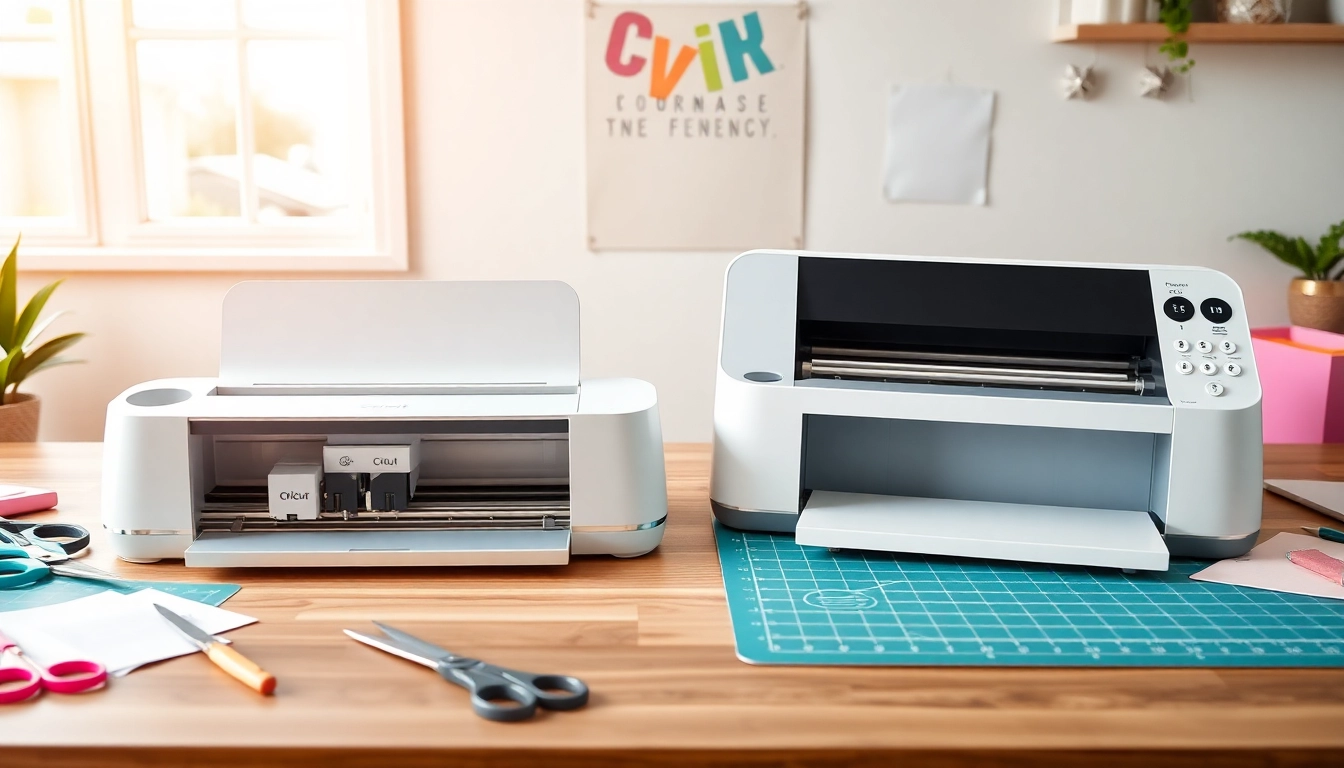
Understanding the Basics: Silhouette vs Cricut Machines
As crafting continues to grow in popularity, many enthusiasts find themselves at a crossroads when choosing a cutting machine. Two of the most prominent brands in this realm are Silhouette and Cricut, each offering unique features that cater to different crafting styles and requirements. Understanding the nuances between the two can significantly enhance your crafting experience, ensuring you select the tool that best matches your needs. For a detailed comparison, silhouette vs cricut is a topic worth exploring.
What Are Silhouette and Cricut Machines?
Silhouette and Cricut machines are electronic cutting tools that allow users to cut a variety of materials, such as paper, vinyl, fabric, and more, into intricate designs. The machines are equipped with software that enables users to design their projects digitally before transferring them to physical materials. While both brands share the common goal of making crafting more accessible and efficient, they differ in functionality, design, and intended use.
Key Features of Each Machine
To effectively evaluate Silhouette versus Cricut, it’s essential to understand the key features of each. The Cricut machines, particularly the Explore and Maker series, are known for their user-friendliness and extensive material compatibility. They utilize a proprietary cutting blade system that maximizes accuracy and ease of use. On the other hand, Silhouette machines, especially the Cameo series, are renowned for their powerful cutting capabilities, advanced software functionalities, and ability to handle thicker materials and custom designs.
Target Audience: Who Should Use Each Machine?
The choice between Silhouette and Cricut largely depends on the user’s crafting background and future intentions. Cricut machines are often favored by beginners due to their intuitive design software and straightforward setup. Conversely, Silhouette machines appeal to more experienced crafters who seek detailed customization and advanced features. Understanding your crafting goals can help you decide which machine is the best fit.
Performance Comparison: Cutting Techniques and Quality
Accuracy and Precision in Cutting
When comparing Silhouette vs Cricut, precision is a critical factor. Cricut machines are celebrated for their consistent cutting accuracy, particularly in detail-oriented projects. The fine-point blade and rotary blade options allow for ultra-precise cuts, especially beneficial for projects requiring intricate designs. Silhouette machines, while equally capable, excel in handling custom designs thanks to their innovative software, giving users more control over the cut settings.
Material Versatility: Which Machine Wins?
Both Silhouette and Cricut machines boast impressive material versatility, but their strengths differ. Cricut machines can cut over 100 types of materials, including paper, card stock, vinyl, and even leather. Silhouette machines, however, have an edge with thicker materials due to their stronger motors and specialized blades. Projects involving materials like wood and fabric may see better results with a Silhouette, particularly when using the Cameo Series.
Speed and Efficiency: A Practical Overview
In terms of speed, Cricut machines often outperform Silhouette in routine cutting tasks. The Explore series can handle projects more rapidly, making it ideal for batch crafting. However, Silhouette machines deliver outstanding efficiency when working with advanced and detailed designs, albeit at a slower pace. Understanding your typical project needs can help you gauge which speed factor matters most for your crafting activities.
Software Analysis: User Experience and Functionality
Silhouette Studio vs Cricut Design Space
Software plays a pivotal role in crafting, and comparing Silhouette Studio to Cricut Design Space reveals distinct differences. Cricut Design Space is known for its ease of use, offering a simple interface that allows beginners to quickly familiarize themselves with the software. Silhouette Studio, while slightly more complex, offers greater flexibility for seasoned users who desire advanced design capabilities. Each software aligns well with the respective machine’s strengths, ensuring users can maximize their creative potential.
Ease of Use: Beginner-Friendly Features
When assessing user-friendliness, Cricut leads with features tailored for beginners. The guided setup and comprehensive tutorials simplify the learning curve. Contrasting this, Silhouette Studio’s learning curve may be steeper; however, it rewards users with powerful design tools that can lead to more sophisticated projects. Beginners might find Cricut more accessible, while advanced users may appreciate Silhouette’s depth.
Advanced Tools and Capabilities
For those interested in diving deeper into crafting, both Silhouette and Cricut offer advanced tools. Cricut machines support various blades, including deep-cut and knife blades, enabling a range of projects from delicate crafts to more robust materials. Silhouette’s advanced tools, such as sketch pens and print & cut options, provide unique customization opportunities. Weighing these advanced capabilities can help determine which machine aligns with your crafting ambitions.
Cost Breakdown: Price Points and Value for Money
Initial Investment: Machine Prices in 2026
The financial aspect is crucial when deciding between Silhouette and Cricut. As of 2026, Cricut machines like the Maker typically retail around $399.99, while the Explore series starts at approximately $249.99. On the other hand, Silhouette’s Cameo 4 is priced around $299.99. While the initial investment is a factor, it’s essential to consider the long-term value based on your needs and crafting frequency.
Ongoing Costs: Materials and Accessories Comparison
Beyond the price of the machines, ongoing costs must also be considered. Cricut’s accessories tend to be pricier compared to Silhouette’s, which may affect long-term budgeting for projects. However, the cost of materials like vinyl and cardstock are comparable for both brands. Understanding recurring expenses associated with each machine can provide a clearer picture of total cost over time.
Value for Business vs Hobby Use
Whether the machine is intended for business or hobby use significantly impacts the overall value. Cricut machines are often favored for small business applications due to their reliability and speed. In contrast, Silhouette machines are better suited for hobbyists or craft businesses focused on custom designs and intricate details. Evaluating your intended use helps in determining the best machine for your crafting goals.
Future Trends: What to Expect in 2026 and Beyond
Emerging Technologies in Cutting Machines
As technology advances, both Silhouette and Cricut are expected to innovate further. Future machines may incorporate artificial intelligence to streamline the design process, offering suggestions based on current trends and user preferences. Increased connectivity features, such as mobile applications and cloud storage, may also emerge, enhancing the user experience and creative possibilities.
Sustainability Practices in Crafting
With growing awareness of environmental issues, sustainability will likely play a crucial role in the future of crafting machines. Both brands may focus on producing eco-friendly materials and accessories, contributing to a more sustainable crafting community. This shift could lead to an increased emphasis on recycling and reusing materials in projects.
User Community Insights: Trends and Preferences
Finally, understanding user community insights can provide valuable context for future trends. As crafting communities grow, feedback on challenges and preferences can guide manufacturers in addressing user needs. Engaging with crafting forums and social media groups can provide insights into the evolving landscape of tools and materials, ensuring users stay informed on the latest advancements.