

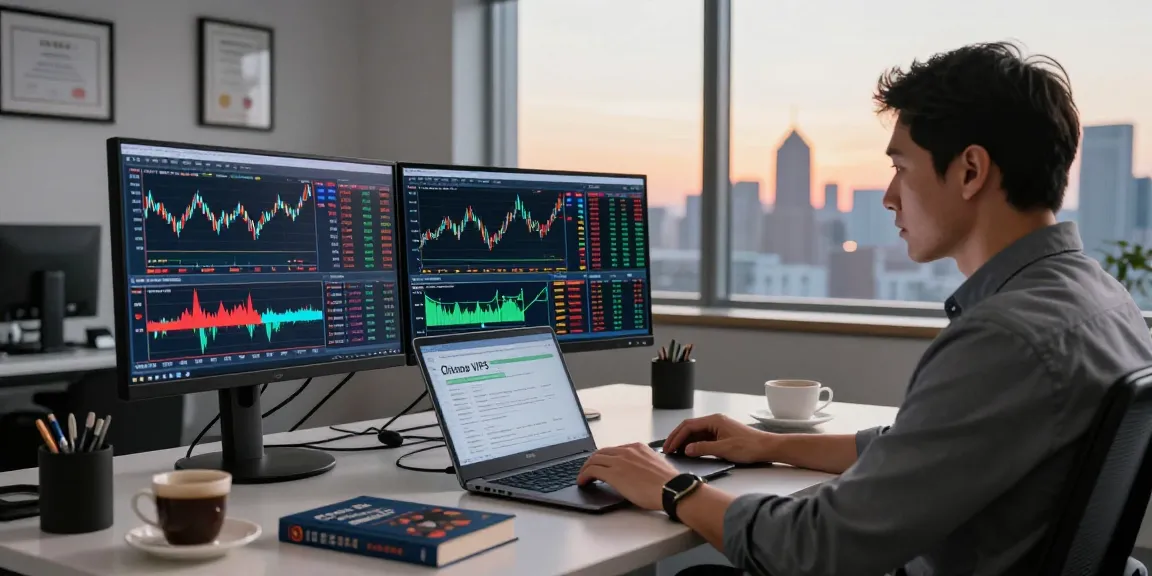
Understanding the Importance of Chicago VPS for Futures Trading
In an increasingly competitive trading landscape, where milliseconds can define the success or failure of a trade, the choice of infrastructure is paramount. For futures traders, deploying a Virtual Private Server (VPS) can dramatically enhance trading performance through improved speed, reliability, and security. A Chicago VPS is particularly beneficial due to its proximity to major financial markets, allowing for ultra-low latency and faster execution times. This article delves into the crucial aspects of utilizing a Chicago VPS for futures trading, equipping traders with the knowledge to optimize their trading strategies.
What is a Chicago VPS?
A Chicago VPS refers to a virtual private server located in Chicago, Illinois, that operates on a powerful infrastructure designed specifically for trading activities. Unlike shared hosting, a VPS provides dedicated resources and higher performance capabilities, which are essential for executing high-frequency trades and conducting complex analytical tasks. With server locations strategically placed near major financial data centers, a Chicago VPS offers traders unparalleled access to real-time data and quick order execution.
Why Use a VPS for Trading Futures?
The primary advantage of using a VPS for trading futures lies in its ability to deliver reliable uptime and stability. Futures trading is highly sensitive to latency; thus, having a VPS ensures that traders can maintain connectivity with trading platforms without interruptions. Furthermore, the ability to run automated trading bots or algorithms continuously on a VPS allows traders to capitalize on market opportunities around the clock. This flexibility can be particularly advantageous for those employing strategies that require real-time data analysis and execution.
The Role of Low Latency in Trading Success
Latency, the delay before a transfer of data begins following an instruction, is crucial in trading. In futures markets, even a few milliseconds can determine whether a trade is executed at an advantageous price or a significantly worse one. Using a Chicago VPS, which benefits from ultra-low latency due to its proximity to trading exchanges, can significantly enhance a trader’s competitive edge. Traders must assess their latency metrics regularly to ensure optimal order execution and performance.
Key Features of an Effective Chicago VPS
Ultra-Low Latency and Geographic Proximity
One of the standout features of a Chicago VPS is its ultra-low latency. The geographic proximity to trading exchanges creates a minimal delay in data transmission, which is vital for high-frequency traders. By utilizing a VPS located in Chicago, traders can significantly reduce the time it takes for their orders to reach the market, thereby increasing their chances of successful trades during volatile market conditions.
Hardware Specifications: Why Ryzen Matters
The hardware specifications of a VPS play a crucial role in its performance, especially in a trading context. TradoxVPS, for example, utilizes the AMD Ryzen 9 9950X CPU, renowned for its high processing power and ability to handle multiple tasks simultaneously. This is particularly beneficial for futures traders who may run complex algorithms or multiple trading platforms at once. When choosing a VPS, it’s essential to consider not only CPU performance but also RAM and storage capabilities to match your trading needs.
Advanced Network Security and DDoS Protection
Security is paramount in the trading environment, where financial information is sensitive and valuable. A reliable Chicago VPS will come equipped with advanced network security features and DDoS protection to safeguard against potential cyber threats. This ensures that traders can operate without the constant worry of downtime or data breaches, allowing them to focus on their trading strategies and market analysis.
Choosing the Right Chicago VPS Plan for Your Trading Needs
Factors to Consider When Selecting a Plan
When selecting a Chicago VPS plan, traders should consider several key factors. Firstly, assess the performance requirements based on the type of trading strategies employed. For instance, high-frequency trading demands robust hardware and low latency, while other strategies may prioritize cost-effectiveness. Additionally, evaluate the level of customer support provided by the VPS provider, as responsive support can be crucial during critical trading times.
Cost vs. Performance: Finding the Balance
It’s crucial to strike a balance between cost and performance when choosing a Chicago VPS. While some plans may offer attractive pricing, they might not deliver the performance necessary for efficient trading. Conducting thorough research and comparing various providers can help traders identify a VPS that meets their needs without breaking the bank. Always consider the potential cost of missed opportunities due to poor performance versus the investment in a high-quality VPS service.
Transparent Performance Comparisons of Providers
Transparency in performance comparisons among VPS providers is essential for making an informed choice. Look for reviews and performance benchmarks that disclose uptime statistics, latency measurements, and customer satisfaction levels. This information can provide insights into which providers consistently deliver the performance necessary for successful futures trading. A transparent provider will often showcase these metrics, enabling traders to evaluate their options effectively.
Setting Up Your Chicago VPS for Optimal Trading Performance
Step-by-Step Guide to Activating and Accessing Your VPS
Setting up your Chicago VPS is a straightforward process, typically involving several key steps. After purchasing a plan, the first step is to activate your VPS through the provider’s management console. Once activated, you can access your VPS using remote desktop protocols (RDP) for Windows or SSH for Linux-based systems. Familiarizing yourself with these access methods is essential for efficient operation.
Configuring Your Environment for Trading Platforms
After accessing your Chicago VPS, configuring the environment for your preferred trading platforms is vital. Ensure that your trading software is installed correctly and optimized for performance. This may involve adjusting settings related to data feeds, algorithm parameters, and trade execution parameters. It’s also beneficial to set up redundant systems or backups to maintain operational continuity in case of any issues.
Best Practices for Maintaining Performance and Uptime
Maintaining peak performance and uptime on your Chicago VPS requires adherence to best practices. Regularly monitor your server’s performance metrics, including CPU usage, memory usage, and latency. Implement security protocols, such as firewalls and anti-virus software, to protect against vulnerabilities. Additionally, consider routine maintenance tasks, such as software updates and system optimizations, to ensure your VPS runs smoothly at all times.
Future Trends in VPS Technology and Trading
The Evolution of VPS Hosting Services
The landscape of VPS hosting is continuously evolving, particularly as the trading industry adapts to technological advancements. Innovations in server technology, such as increased processing power and enhanced virtualization, are set to redefine how traders utilize VPS for optimal performance. The rise of edge computing and other decentralization trends may also influence the future of VPS services, leading to reduced latency and improved connections to trading platforms.
Predictions for VPS in the Trading Industry by 2026
As we look towards 2026, predictions indicate that VPS services tailored for trading will become increasingly sophisticated. Enhanced AI-powered analytics will be integrated into VPS management systems, providing traders with real-time insights and performance suggestions. Furthermore, greater emphasis will be placed on security, with advanced encryption methods becoming standard to protect sensitive trading data from potential breaches.
Adapting to Changing Market Conditions with Technology
Traders must remain agile and adapt to ever-changing market conditions. Utilizing a Chicago VPS provides the flexibility and reliability needed to pivot strategies quickly. As technology continues to advance, those who leverage cutting-edge VPS solutions will likely have a significant advantage over their competitors. Staying informed about technological trends and updates in the VPS industry is essential for traders seeking to enhance their performance.
What are the advantages of using a VPS for futures trading?
Using a VPS for futures trading offers several advantages, including improved speed, enhanced reliability, and the ability to automate trading processes. This infrastructure helps traders maintain a competitive edge by minimizing latency and ensuring constant access to trading platforms.
How does latency affect trading performance?
Latency affects trading performance by introducing delays in order execution. High latency can result in missed trading opportunities or unfavorable price fills, while low latency enables traders to react swiftly to market changes and execute trades more effectively.
Where are the data centers for Chicago VPS located?
Data centers for Chicago VPS services are typically located in or near Chicago, strategically positioned to provide low-latency connections to major financial exchanges. This geographic advantage helps facilitate faster data transmission and order execution for traders.
How quickly can I access my Chicago VPS after purchase?
Access to your Chicago VPS can generally be granted shortly after purchase, often within a few minutes to a few hours, depending on the provider’s activation process and provisioning capabilities.
What trading platforms are compatible with a Chicago VPS?
Most major trading platforms, such as MetaTrader, NinjaTrader, and ThinkorSwim, are compatible with a Chicago VPS, ensuring traders can operate their preferred software without any issues related to performance or connectivity.