

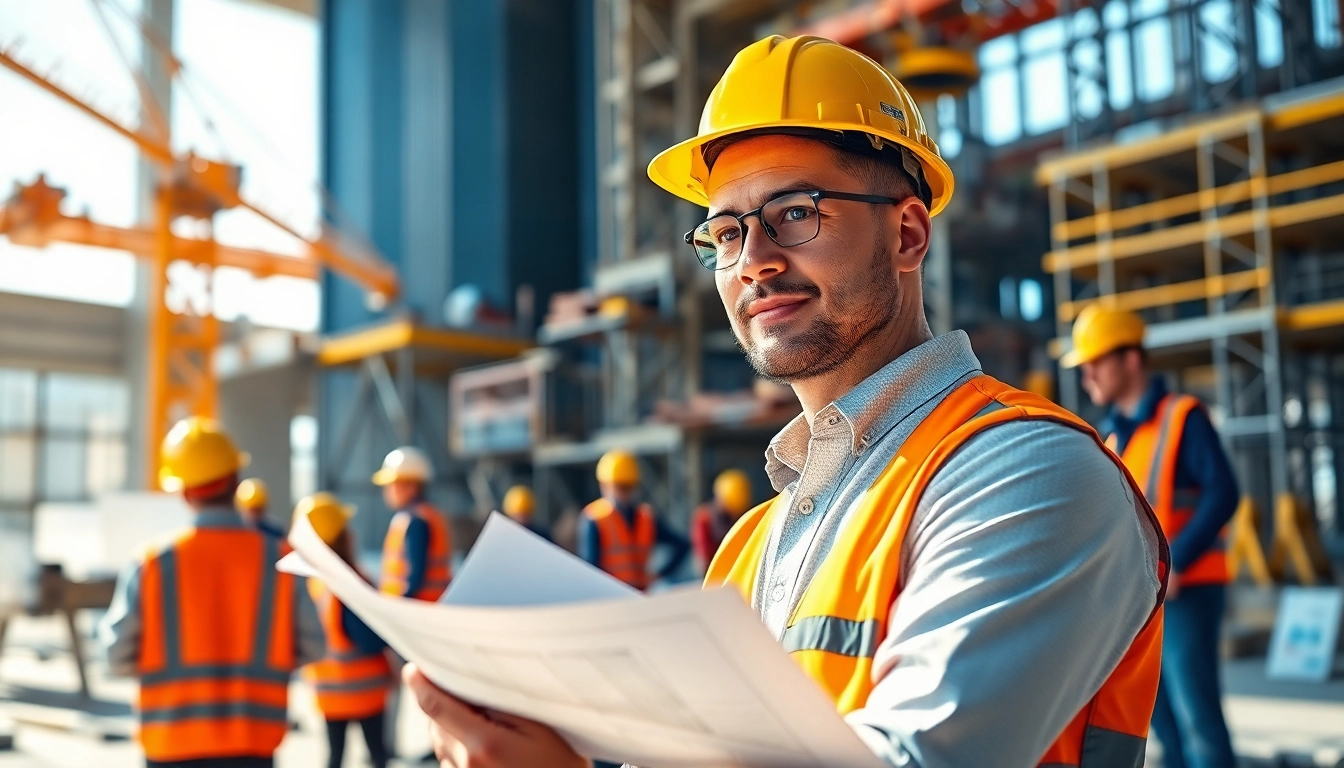
Understanding the Role of a Manhattan Construction Manager
The role of a Manhattan Construction Manager is pivotal in the bustling world of construction, particularly in a vibrant and demanding environment like Manhattan. This position requires not only technical acumen but also keen leadership and communication skills to navigate the complexities of urban development. In this article, we will break down the fundamental responsibilities, skills, and challenges faced by these crucial players in the construction arena.
Key Responsibilities of a Manhattan Construction Manager
A Manhattan Construction Manager is tasked with an array of responsibilities that encompass the lifecycle of a construction project. From conceptualization to completion, their duties typically include:
- Project Planning: Developing comprehensive project plans that delineate timelines, budgets, and resource allocation.
- Team Coordination: Leading various stakeholders, including architects, engineers, and subcontractors, to ensure smooth operations.
- Compliance Management: Ensuring all construction activities adhere to regulations, building codes, and safety standards.
- Budget Oversight: Monitoring project finances to ensure spending aligns with the established budget and reporting any discrepancies.
- Quality Control: Implementing quality assurance protocols to meet design specifications and client expectations.
Skills Required for Success
Success in the role of a Manhattan Construction Manager hinges on a diverse set of skills. Key competencies include:
- Leadership: The ability to inspire and guide teams through various phases of a project.
- Communication: Clear communication with all stakeholders is essential, ensuring everyone is on the same page.
- Problem-Solving: Quick and effective decision-making capability when unforeseen challenges arise.
- Technical Expertise: A solid understanding of construction methods, materials, and technology.
- Project Management Software Proficiency: Familiarity with tools such as Microsoft Project or BIM software can greatly enhance efficiency.
Common Challenges Faced by Manhattan Construction Managers
Despite their expertise, Manhattan Construction Managers encounter various challenges that can complicate project execution:
- Urban Constraints: Navigating the complexities of working in a densely populated area, including zoning laws and limited space.
- Budget Fluctuations: Rising costs of materials and labor can threaten project budgets.
- Weather Conditions: Unpredictable weather patterns can cause delays and require contingency planning.
- Coordination of Multiple Teams: Ensuring cohesive collaboration among various teams can be daunting.
- Regulatory Compliance: Keeping updated with changing laws and regulations adds an additional layer of complexity.
Planning and Management Techniques
Creating a Robust Project Plan
A well-structured project plan is the foundation of successful construction management. This includes defining a clear project scope, establishing timelines, and allocating tasks to team members. The plan should incorporate:
- Milestones: Establishing key project milestones helps in tracking progress and maintaining morale.
- Timelines: Creating a Gantt chart to visualize task dependencies and deadlines improves clarity.
- Resource Tracking: Documenting available resources and their deployment ensures work is conducted efficiently.
Efficient Resource Allocation
Effective resource allocation is crucial to minimize waste and optimize labor. Strategies include:
- Skill-Based Assignments: Matching tasks with the skills of team members can enhance productivity.
- Subcontractor Management: Engaging reliable subcontractors who meet quality standards can alleviate pressure.
- Material Procurement: Establishing relationships with suppliers for timely material procurement can mitigate delays.
Risk Management Strategies
Risk management is essential in the construction industry, especially in a dynamic environment like Manhattan. Key strategies involve:
- Risk Assessment: Identifying potential risks at the start of a project allows for proactive solutions.
- Contingency Planning: Developing alternative plans facilitates swift responses to unforeseen events.
- Regular Monitoring: Continuously monitoring risks throughout the project lifecycle helps mitigate their impact.
Communication and Team Collaboration
Building Strong Relationships with Stakeholders
Successful construction projects hinge on healthy relationships between all stakeholders. Strategies to foster strong relationships include:
- Regular Meetings: Frequent check-ins with stakeholders keep everyone aligned on project progress and expectations.
- Transparency: Open communication fosters trust and encourages a collaborative environment.
- Feedback Mechanisms: Establishing structured feedback processes can identify issues before they escalate.
Effective Communication Tools and Techniques
Leveraging technology can significantly enhance communication on construction sites. Tools that can improve this include:
- Project Management Software: Applications such as Trello or Asana facilitate task assignment and progress tracking.
- Mobile Communication Apps: Instant messaging platforms enable real-time communication among team members.
- Video Conferencing: Tools like Zoom or Microsoft Teams support remote meetings with stakeholders.
Fostering Teamwork on Construction Sites
Encouraging teamwork is essential for maintaining morale and efficiency. Tactics to foster effective collaboration include:
- Team-Building Activities: Engaging team-building exercises can strengthen relationships and improve dynamics.
- Cross-Training: Encouraging team members to learn multiple roles can create versatility and shared understanding.
- Recognition and Reward: Acknowledging individual and team achievements boosts motivation.
Performance Metrics for Project Success
Key Performance Indicators to Track
Establishing metrics to gauge project success is vital. Some essential KPIs include:
- Budget Variance: Comparing actual costs with the projected budget can identify financial discrepancies.
- Schedule Performance Index: Measuring time remaining against work completed helps assess project timelines.
- Quality Metrics: Tracking defects and rework rates illuminates quality control issues.
- Safety Incidents: Monitoring safety-related occurrences informs about the safety culture on the site.
Strategies for Continuous Improvement
Continuous improvement is imperative for enhancing project execution. Some strategies include:
- Post-Project Reviews: Conducting reviews after project completion identifies areas for refinement and success.
- Training and Development: Investing in team training helps build skills and adapt to new materials and techniques.
- Feedback Loops: Encouraging feedback during and after projects promotes an iterative learning process.
Evaluating Project Outcomes
Assessing the overall success of a project involves multiple factors, such as:
- Client Satisfaction: Evaluating client feedback provides insight into the perception of project quality.
- Meeting Objectives: Determining if project objectives were met helps measure overall success.
- Financial Performance: Analyzing profit margins and cost effectiveness offers a clear view of fiscal responsibility.
Frequently Asked Questions about Manhattan Construction Manager
What are the essential qualifications for a Manhattan Construction Manager?
A Manhattan Construction Manager typically requires a bachelor’s degree in construction management, civil engineering, or a related field, along with relevant experience and certifications such as PMP or CCM.
How do I effectively manage a construction budget?
To effectively manage a construction budget, establish a detailed budget at the project’s outset, monitor expenses closely, and implement cost-saving measures while anticipating potential overruns.
What communication methods work best on a construction site?
Effective methods include regular face-to-face meetings, the use of project management tools, and mobile communication apps to facilitate quick and clear exchanges of information among team members.
How can I improve team collaboration in construction projects?
Improving team collaboration can be achieved through team-building exercises, establishing clear communication channels, and creating a culture of shared responsibility and recognition for contributions.
What are typical career paths for a Manhattan Construction Manager?
Typical career paths often begin with roles such as construction engineer or project coordinator, progressing to project manager, and ultimately to senior management positions within construction firms.