
Introduction to Mirror and LED Lights
Mirrors combined with LED lights represent a shift in modern home design, merging functionality with aesthetic appeal. The integration of mirror and led lights has revolutionized how spaces are illuminated and styled. They serve essential roles in various rooms—be it the bathroom, living room, or hallway—enhancing both utility and ambiance.
Understanding Mirror Types
Mirrors come in various types, and understanding their unique characteristics is vital for choosing the right one for your space. The most common types include:
- Frameless Mirrors: Typically sleek, these mirrors provide a modern feel. They can seamlessly blend with various decors and are ideal for spaces where a minimalist look is desired.
- Framed Mirrors: These mirrors come encased in different materials like wood, metal, or plastic. The frame can influence the overall look, making it a focal point in the design.
- Lighted Mirrors: These mirrors are embedded with LED lights, offering illumination right where you need it most, especially for grooming tasks.
- Antique Mirrors: Adding character, these mirrors have aged finishes, bringing an old-world charm to contemporary spaces.
Choosing the right type often depends on personal preference, the function of the mirror, and the existing décor in the room.
Benefits of LED Lighting
LED lighting boasts numerous advantages that make it an excellent choice for illuminating mirrors:
- Energy Efficiency: LED lights consume significantly less power compared to traditional incandescent bulbs, translating to lower energy bills.
- Longevity: With a lifespan of up to 25,000 hours, LED lights greatly reduce the frequency of bulb replacements, saving time and effort.
- Brightness Control: Many LED lights come with adjustable brightness settings, allowing users to customize lighting according to their needs.
- Better Color Rendering: LEDs provide a more accurate representation of colors, crucial for activities such as makeup application or grooming.
The adoption of LED technology continues to evolve, enhancing the versatility of mirrors in any setting.
Choosing the Right Combination
The right combination of mirrors and LED lights can elevate the look of a space. Consider these factors when making your selection:
- Room Size: In smaller spaces, opt for a larger mirror to create the illusion of depth, complemented by bright, well-placed LED lighting.
- Style Preference: Match the mirror’s design with your interior theme—modern, rustic, or eclectic—to ensure a cohesive look.
- Purpose: Identify how you will use the mirror. For tasks requiring detailed lighting, such as applying makeup, consider adjustable LED lights for optimal results.
Design Inspiration for Mirror and LED Lights
Contemporary Bathroom Designs
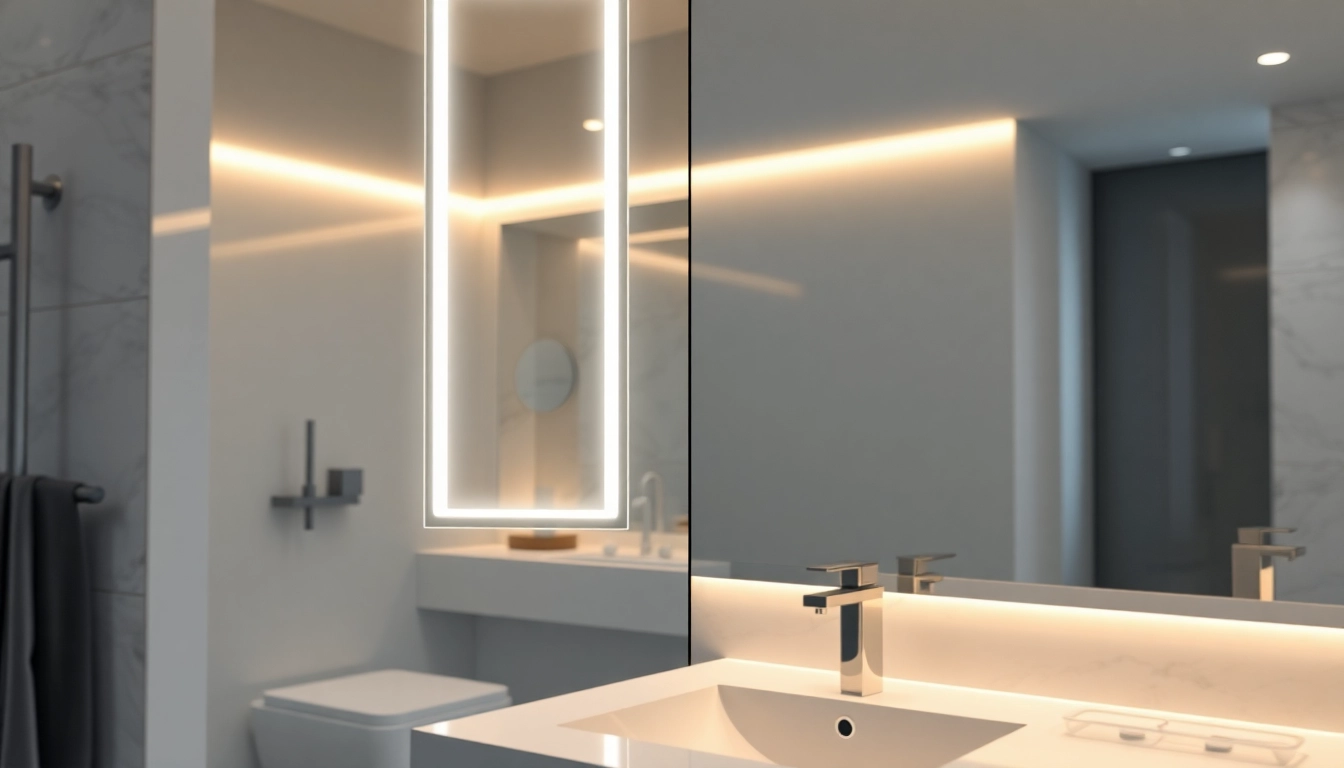
In contemporary bathrooms, mirrors with LED backlighting can add a luxurious feel. Consider a large, frameless mirror above a double sink, enhancing natural lighting while providing a spacious look. Accent lighting around the edges can create a spa-like atmosphere, making daily routines more enjoyable. Moreover, anti-fog mirrors with integrated LEDs ensure clarity during steamy showers.
Living Room Aesthetics
Mirrors in living rooms serve both functional and decorative purposes. A stately framed mirror can become a statement piece above a fireplace or sofa. Pairing it with LED lights can amplify the room’s brightness and warmth. In smaller living areas, opt for mirrored panels or a gallery wall of small mirrors illuminated by LEDs to create depth and interest.
Functional Spaces with Style
In functional areas like home offices or entryways, LED mirrors can enhance productivity while maintaining style. A well-lit mirror in an entryway provides a last-minute check before leaving the house. Meanwhile, a sleek, minimalist mirror set over a desk can contribute to a workplace that feels both spacious and inviting.
Installation Guide for Mirror and LED Lights
Tools and Materials Needed
Installing mirrors with LED lights requires careful planning and the right tools. Here’s a list of essential materials:
- Measuring tape
- Level
- Drill and drill bits
- Wall anchors
- Screwdriver
- Adhesive for mirrors (if applicable)
- Electrical tools for LED light installation, if necessary
Step-by-Step Installation Process
The installation process can vary based on the type of mirrors and lights being used. Follow these general steps:
- Determine the ideal height and placement for the mirror.
- Use the measuring tape and level to mark where the mirror will go.
- Drill holes for wall anchors, ensuring they’re aligned properly.
- Secure the mirror to the wall using screws or adhesive as per the mirror type.
- If adding LED lights, position them according to the design, connecting them to a power source.
Common Mistakes to Avoid
During installation, it’s crucial to avoid common pitfalls:
- Incorrect measurements: Always double-check your measurements to avoid misalignment.
- Insufficient support: Ensure the wall can handle the weight of the mirror secured with appropriate anchors.
- Neglecting lighting: Consider the light placement to prevent shadows or inadequate illumination.
Maintenance Tips for Mirror and LED Lights
Cleaning and Care Guidelines
Keeping mirrors and LED lights clean is essential to ensure they maintain their appeal and functionality. Regular cleaning with appropriate products is advised:
- Use a glass cleaner or a vinegar-water solution to clean mirrors.
- For LED lights, gently wipe them down with a soft cloth to remove dust and grime.
Maximizing LED Lifespan
To maximize the lifespan of your LED lights, consider the following tips:
- Use dimmers for adjustable brightness, reducing strain on the bulbs.
- Ensure adequate ventilation to prevent overheating.
- Regularly check connections to avoid flickering or unexpected outages.
Refreshing Your Decor Regularly
Updating your decor can breathe new life into your space. Consider changing the mirror’s frame, swapping out LED light styles, or relocating mirrors to different parts of the home to create a fresh look.
FAQs About Mirror and LED Lights
What types of mirrors work best with LED lights?
Lighted mirrors or those designed for use with LEDs are best, as they offer enhanced functionality and seamless design integration.
How do LED lights enhance the functionality of mirrors?
LED lights provide better lighting for close-up tasks, improving visibility during grooming, applying makeup, or other detailed activities.
Can I install mirror and LED lights myself?
Yes, installation can be DIY, provided you have the right tools and follow detailed instructions for safety and alignment.
What maintenance do LED mirrors require?
LED mirrors need regular cleaning for glare-free reflections and occasional checks for electrical components to ensure they function correctly.
How do I choose the right brightness for LED lights?
Select bulbs with adjustable settings or specific lumens based on the room size and the tasks you’ll perform to ensure adequate illumination.