

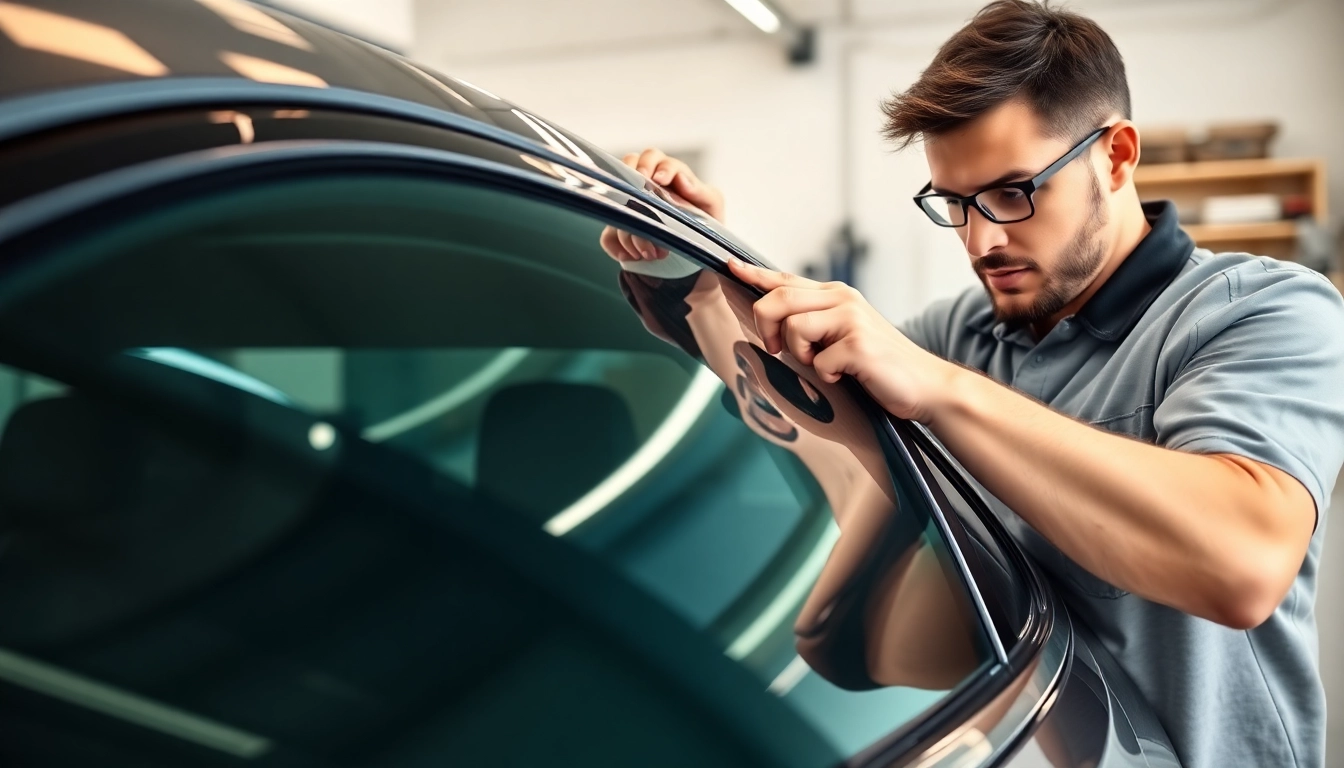
What is Ceramic Window Tint?
Definition and Composition
Ceramic window tint is a premium film used to coat the windows of vehicles and buildings, designed specifically to provide enhanced performance compared to traditional tinted films. Unlike standard tints that often rely on dyes or metals for shading, ceramic window tint utilizes advanced nano-ceramic technology. This innovative composition includes a unique blend of ceramic particles that are non-metallic, resulting in exceptional performance in heat and UV rejection while maintaining high visibility.
How It Differs from Traditional Tints
Ceramic window tint stands out from traditional tinting options chiefly due to its superior formulation. Traditional tints commonly use dyes and metallic materials, which can fade over time and cause interference with electronic signals. In contrast, ceramic window tint does not contain metal, allowing it to block solar heat effectively without compromising signal quality for GPS and mobile devices. Additionally, ceramic tint is known for its greater durability and scratch resistance, giving it a more extended lifespan compared to its traditional counterparts.
Benefits of Using Ceramic Window Tint
The advantages of ceramic window tint extend beyond simple aesthetics. Implementing this advanced film can dramatically enhance comfort within vehicles and spaces by minimizing heat buildup. Moreover, the ability to block up to 99% of harmful UV rays not only protects skin health but also preserves the interior of vehicles, preventing upholstery and dashboards from fading. Furthermore, ceramic window tint offers a sleek appearance, which adds to the overall value of any vehicle or building it adorns.
Advantages of Ceramic Window Tint
Heat Rejection and Energy Efficiency
One of the standout benefits of ceramic window tint is its excellent heat rejection capability, which is paramount for maintaining a comfortable environment inside vehicles and buildings. By blocking a significant percentage of solar energy, ceramic window tint reduces the reliance on air conditioning systems, leading to lower energy bills. Studies indicate that vehicles with high-quality ceramic tint can maintain interior temperatures up to 30% cooler compared to those without any tint, significantly enhancing comfort during hot weather.
UV Protection and Health Benefits
UV radiation poses a considerable health risk, contributing to skin cancer and other related conditions. Ceramic window tint’s ability to block up to 99% of harmful UV rays provides vital protection for occupants and helps maintain the integrity of interiors. Not only does this guard against skin damage, but it also preserves the vehicle’s upholstery and dashboard from sun damage, thereby enhancing its resale value.
Enhanced Privacy and Security
Ceramic window tint contributes to greater privacy by obscuring the view from outside, allowing occupants to feel secure within their space. This added level of privacy is particularly beneficial for business owners and families alike. Additionally, the film can act as a barrier against shattering in the case of an accident or attempted break-in, adding a layer of safety for residents and vehicle occupants.
Installation Process of Ceramic Window Tint
Preparation of the Vehicle
The installation of ceramic window tint requires a methodical approach to ensure optimal performance and longevity. First, the vehicle’s windows must be thoroughly cleaned to remove any dirt, grease, or residues that could interfere with the application. This meticulous preparation is crucial because any impurities left on the glass can affect adhesion and result in bubbles or peeling over time.
Applying Ceramic Window Tint
Once the vehicle is cleaned, the application process can begin. Expert installers will typically cut the ceramic film to the appropriate size for each window, taking care to leave room for trimming. The film is then carefully applied, starting from one edge and working across the window to ensure an even application. Specialists often use heat guns to mold the film around the edges and curves of the glass, ensuring a perfect fit that enhances both aesthetics and functionality.
Post-Installation Care and Maintenance
After installation, there are essential steps for maintaining the integrity and effectiveness of ceramic window tint. It is advisable to avoid rolling down the windows for at least three to five days to allow the film to adhere completely. Cleaning should be performed with non-abrasive materials and solutions to prevent scratching the surface of the tint. Regular maintenance, including gentle cleaning and assessments for damages, can extend the lifespan of the ceramic window tint significantly.
Common Misconceptions About Ceramic Window Tint
Myths vs. Facts
Many misconceptions surround ceramic window tint, with some people believing that all window tints are the same. Contrary to popular belief, not all window tints provide equal benefits. Ceramic window tint not only excels in heat and UV rejection but also supports clear visibility and signal integrity. Understanding these distinctions can help consumers make informed decisions when choosing window films.
Longevity and Durability Concerns
Another common myth is that ceramic window tint is more prone to damage compared to standard tints. In reality, high-quality ceramic films are designed to withstand tough conditions, offering superior scratch resistance and longevity, often lasting a decade or more with proper care. Regular maintenance and professional installation further enhance the durability of the tint, ensuring it remains effective for an extended period.
Cost vs. Value Analysis
While the initial investment in ceramic window tint may be higher than traditional options, it is essential to consider the long-term benefits. The durability, energy savings, and health advantages associated with ceramic window tint make it a wise investment. Over time, the cost savings from reduced energy bills and increased vehicle value significantly outweigh the upfront expenses.
Choosing the Right Ceramic Window Tint
Factors to Consider
When selecting the right ceramic window tint, it’s crucial to consider various factors, including the desired privacy level, heat rejection percentage, and aesthetic preferences. Different films offer varying degrees of openness and reflectiveness, allowing consumers to choose a product tailored to their specifications. Assessing these variables helps ensure satisfaction with the final result.
Brand and Quality Assessment
Not all ceramic window tints are created equally; thus, it’s vital to assess product quality and brand reputation before making a purchase. Researching consumer reviews, warranty offerings, and product certifications can provide insights into the effectiveness and reliability of different tint brands. Opting for established brands known for their durability and performance can ensure satisfactory results.
Finding a Professional Installer
Even the best ceramic window tint will not perform optimally if not installed correctly. It is essential to hire a professional installer with experience and expertise in handling ceramic films. Checking for reviews, certifications, and a solid portfolio can help consumers find qualified technicians who will deliver excellent workmanship and a reliable installation process.
Frequently Asked Questions
What is the lifespan of ceramic window tint?
Ceramic window tint typically lasts 10 to 20 years, depending on installation and maintenance.
Does ceramic window tint block UV rays?
Yes, ceramic window tint effectively blocks up to 99% of harmful UV rays, protecting skin and interiors.
Can I install ceramic window tint myself?
While DIY is possible, professional installation ensures better application and longer durability of the tint.
Is ceramic window tint worth the investment?
Yes, given its longevity, heat rejection properties, and UV protection, it provides great value for vehicle owners.
Can ceramic window tint affect visibility?
High-quality ceramic window tint maintains visibility while reducing glare, ensuring safe driving conditions.