

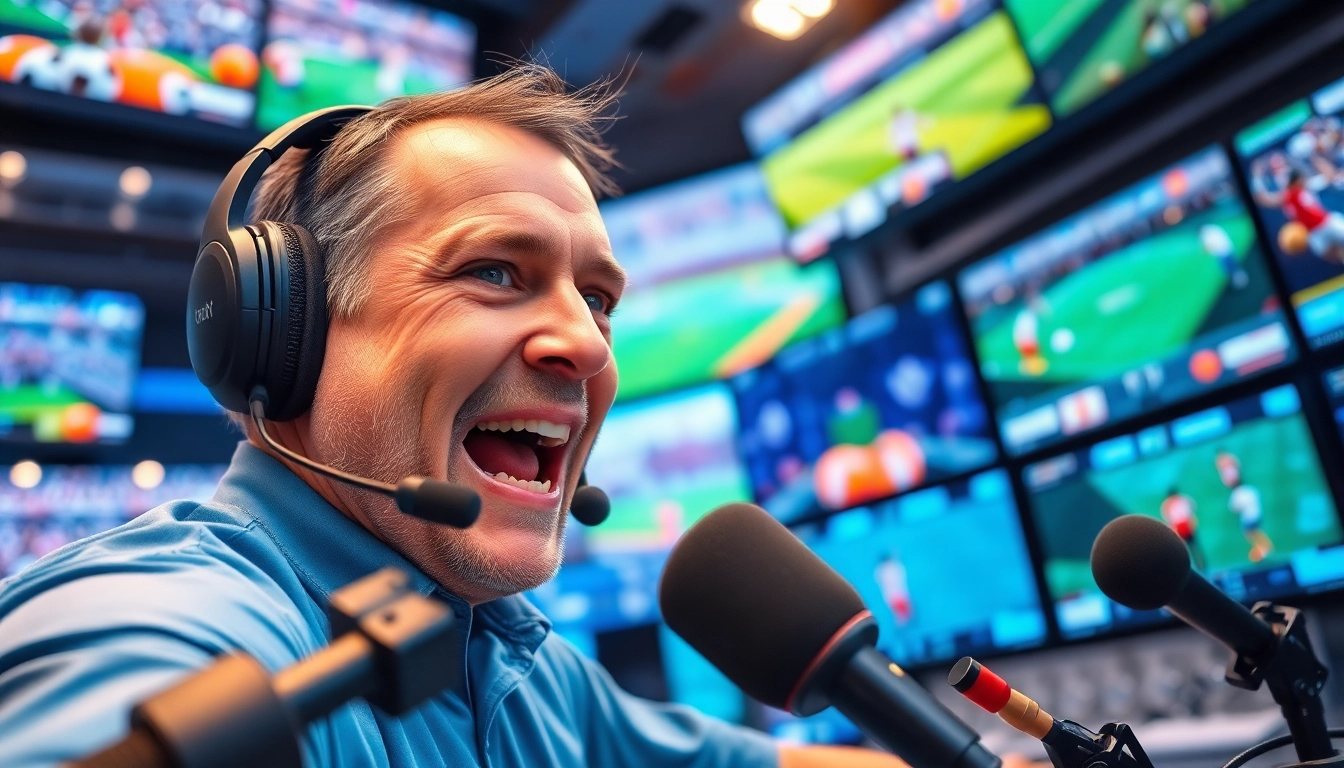
Understanding Sports Broadcasting
What is Sports Broadcasting?
Sports broadcasting refers to the transmission of live sporting events via television, radio, or internet streaming. It encompasses everything from play-by-play commentary to in-depth analysis, bringing the excitement of sports to fans across the globe. This industry has evolved significantly over the years, integrating advanced technology, and offering diverse viewing options. The primary aim of Sports Broadcasting is to deliver accurate, engaging content that captures the attention of viewers, enhancing their experience.
The Role of Technology in Sports Broadcasting
Technology plays a pivotal role in sports broadcasting, transforming how fans engage with their favorite sports. The advent of high-definition broadcasting, slow-motion replays, and strategic data analysis has revolutionized the viewing experience. For instance, virtual reality and augmented reality are paving the way for immersive experiences, allowing fans to feel as if they are part of the action. Additionally, streaming platforms enable viewers to watch events on-demand, catering to varying schedules and preferences.
Key Terminology in Sports Broadcasting
Understanding the jargon of sports broadcasting is essential for both broadcasters and fans. Key terms include:
- Play-by-Play: The live narration of the game, providing real-time updates on the action.
- Color Commentary: Analysis and opinions provided alongside play-by-play commentary to enhance viewer understanding.
- Graphics Package: The combination of visual elements displayed during the broadcast, such as stats and player profiles.
- Post-Game Analysis: Reviews and discussions featuring highlights and key moments after the game concludes.
Essential Skills for Sports Broadcasters
Communication Techniques in Sports Broadcasting
Effective communication is at the heart of successful sports broadcasting. Broadcasters must convey excitement and passion while delivering clear, concise information. Techniques such as voice modulation, pacing, and emphasis are crucial. Practicing articulation and engaging storytelling can also contribute to a broadcaster’s effectiveness, making it essential to continuously hone these skills.
Developing On-Air Presence
A strong on-air presence is vital for capturing and maintaining audience interest. Broadcasters should develop a distinctive style that resonates with viewers. This includes body language, facial expressions, and a strong command of tone. Practicing in front of a mirror or recording oneself can help aspiring broadcasters identify strengths and areas for improvement.
Research and Preparation for Sports Broadcasting
Preparation is key to successful sports broadcasting. Broadcast professionals should conduct thorough research on teams, athletes, and relevant statistics. Familiarity with the history of the sport and current trends can enhance commentary, providing viewers with a rich context. Creating outlines or cheat sheets can streamline delivery, ensuring that critical points are covered without overwhelming the audience.
Strategies for Effective Sports Broadcasting
Engaging Your Audience
Engagement in sports broadcasting extends beyond delivering information. Broadcasters should interact with their audience through social media, encouraging fan participation and feedback. Incorporating viewer questions and comments into broadcasts fosters a sense of community. Unique segments like fan highlights or predictions can also boost engagement.
Using Data and Analytics in Sports Broadcasting
The use of data analytics has become increasingly important in sports broadcasting. Broadcasters must not only deliver the action but also interpret complex statistics for viewers. Using data to frame narratives—such as team dynamics or player performance—can provide depth and enhance the storytelling aspect of broadcasts.
Building Your Personal Brand in Sports Broadcasting
In today’s digital age, personal branding is essential for broadcasters. Developing a unique voice, creating a consistent online presence, and networking with industry professionals can enhance visibility. Broadcasters can use platforms such as podcasts and social media to showcase their knowledge and passion, attracting a dedicated following.
Challenges in Sports Broadcasting
Handling Various Sports Disciplines
Broadcasters often cover multiple sports, requiring flexibility and adaptability. Each sport has its unique rules, culture, and audience. Gaining a comprehensive understanding of diverse sports allows broadcasters to appeal to a broader audience while ensuring accuracy in reporting. Engaging in continuous learning and training can help address this challenge.
Overcoming Technical Issues in Sports Broadcasting
Technical difficulties can disrupt broadcasts and affect viewer experience. Broadcasters should be prepared with backups and contingency plans to address potential issues, such as loss of sound or video feed. Familiarity with the equipment and software used in broadcasts is essential for quickly resolving issues and maintaining professionalism.
Navigating Live Broadcasting Dynamics
Live broadcasting often involves unexpected dynamics that can pose challenges. Broadcasters must think on their feet, responding to breaking news, injuries, or game-changing moments. The ability to remain composed under pressure and deliver engaging commentary is critical. Building a supportive team environment with producers and analysts can help manage these dynamics effectively.
The Future of Sports Broadcasting
Emerging Trends in Sports Broadcasting Technology
The future of sports broadcasting is marked by continual technological innovation. Developments in artificial intelligence, machine learning, and big data analytics are shaping how games are broadcast. Enhanced viewing experiences through augmented reality and interactive livestreaming are likely to gain popularity, enabling viewers to immerse themselves more deeply in the action.
Impact of Social Media on Sports Broadcasting
Social media has transformed sports broadcasting, allowing real-time interaction among fans, teams, and broadcasters. Platforms like Twitter, Facebook, and Instagram enable users to share highlights and engage in discussions, amplifying the reach of sports broadcasts. Broadcasters should leverage these platforms to create additional content, expand their audience, and deepen fan engagement.
Opportunities for Innovation in Sports Broadcasting
Innovation in sports broadcasting presents unique opportunities for content creators. From creating localized content tailored to specific regions to developing unique storytelling methods that enhance game narratives, the potential for creativity is vast. Collaboration across disciplines, including journalism, technology, and marketing, can lead to innovative approaches that redefine the sports broadcasting landscape.
Frequently Asked Questions
What qualifications do I need to become a sports broadcaster?
While formal education in journalism or communications is beneficial, practical experience, strong communication skills, and a passion for sports are equally important.
How does technology influence sports broadcasting?
Technology enhances the viewing experience through advanced analytics, immersive formats, and interactive features, allowing broader audience engagement.
What skills are crucial for a sports broadcaster?
Communication, adaptability, research, and audience engagement are key skills needed to succeed in sports broadcasting.
What is the significance of audience engagement in sports broadcasting?
Engaging the audience fosters community, encourages participation, and enhances loyalty to broadcasters and their programs.
How can I build my personal brand in sports broadcasting?
Create a unique voice, maintain an active online presence, and network with industry experts to effectively build your personal brand.